Building Capacity for Volatile Organic Compounds (VOCs) Monitoring: EANET Successfully Concludes the 2024 Annual Meeting and Training

21 November 2024 – Niigata, Japan

In October 2024, ACAP, serving as the Network Center (NC) for the EANET successfully concluded both the Volatile Organic Compounds (VOCs) Project’s Annual Meeting and Training at the Center for Environmental Science in Saitama (CESS), Japan. The NC for the EANET is implementing the  Project Capacity Building in Promoting VOCs in the EANET, approved by the Twenty-fifth Intergovernmental Meeting (IG25) in 2023, with the financial support of the Ministry of the Environment, Japan (MOEJ).

.

EANET VOC Annual Meeting Reviews Progress and Discusses Plans for 2025

The VOCs Annual Meeting took place at the Center for Environmental Science in Saitama (CESS),  in Saitama, Japan, on October 22nd and 23rd 2024 and gathered the VOCs Advisory Group members as well as members from the Participating Countries including Cambodia, China, Mongolia, the Philippines, and Viet Nam, responsible for overseeing this project. The goal of the meeting was to review the progress to date and develop a detailed plan for 2025 focusing mainly on monitoring methods, sites, and timing.

The Annual Meeting was conducted both in-person at CESS and online. Opening remarks were delivered by Dr. Mitsuo Uematsu, President of CESS, and Dr. Toshimasa Ohara, Director General of the Asia Center for Air Pollution Research (ACAP), moderated by Dr. Meihua Zhu, Chief Senior Researcher of the Planning and Training Department of ACAP. Each Participating Country shared their project progress in 2024 and their monitoring and related capacity building plan. During the meeting, Dr. Soo Ran Won, Department of Environmental Science and Engineering, Ewha Womans University, gave a special talk entitled: a Research Introduction on the “First measurement report for Volatile Organic Compounds’ characteristics during winter in Ulaanbaatar, Mongolia”. During the Annual Meeting, participants reviewed the progress of the project’s activities in 2024 and discussed the activity plan for 2025.

.

Participants at the Annual VOCs Meeting and during the field visit to GL Sciences

.

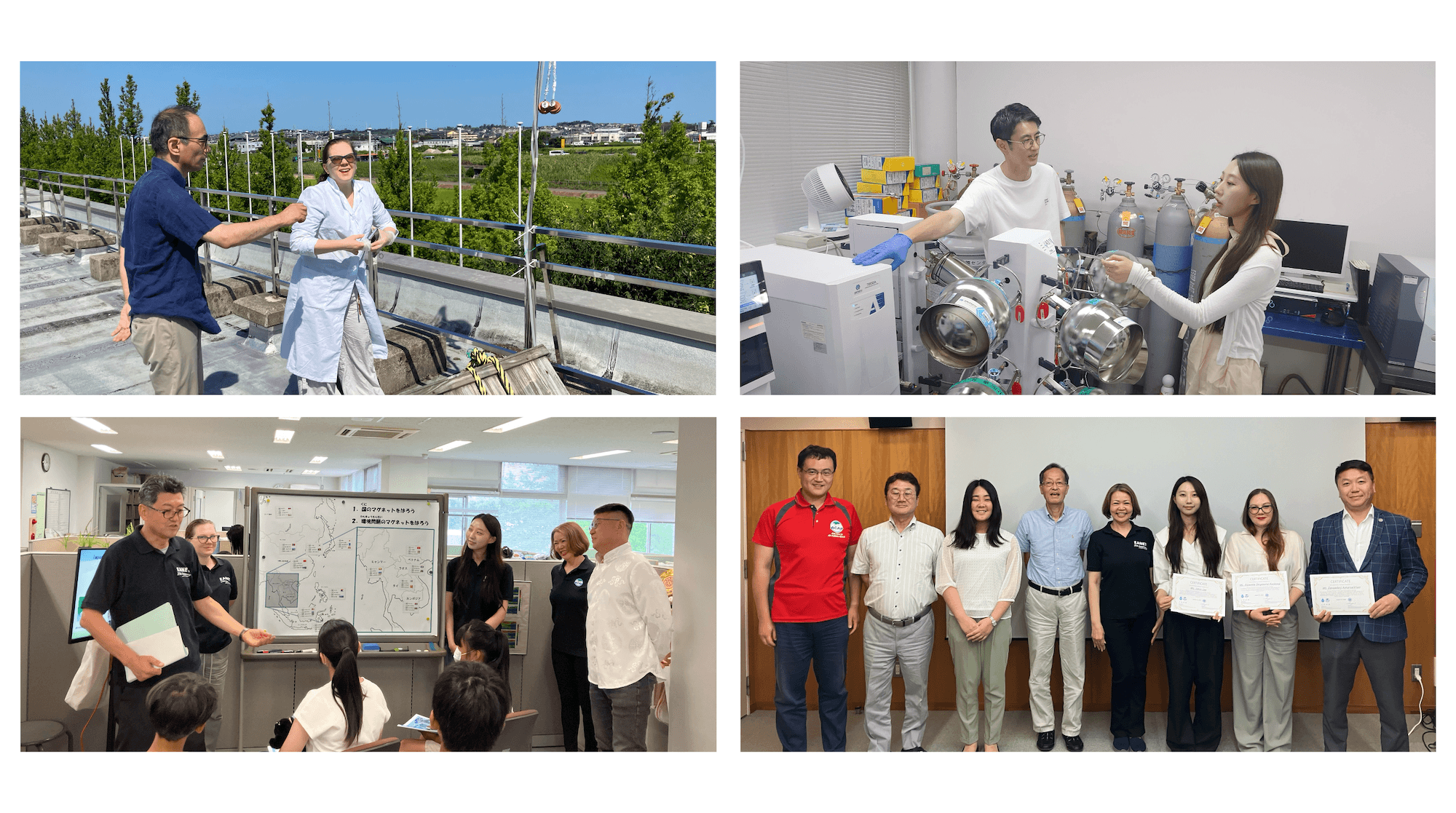
On the second day, on October 23rd, a site survey of an VOCs’ instrument manufacturer was conducted at GL Sciences, Saitama prefecture, Japan. The site survey included an introduction to GL Sciences and to their support system, air analysis instruments, and related products. It also consisted of a laboratory tour and presentation of various equipments’ usage such as gas chromatography/mass spectrometry (GC/MS) with canister concentrator, GC-MS with thermal desorption, sampling and related tools, and air sampler for Perfluoroalkyl and Polyfluoroalkyl Substances (PFAS).

.

Highlights of the Training – VOCs Monitoring and Measurement

The Training Program for VOCs Monitoring and Measurement was held at the Center for Environmental Science in Saitama (CESS), Japan, from October 21st to 25th 2024. To conduct the training in a cost- and time-efficient manner, online lectures were provided to the trainees prior to the hands-on training in Japan. The proposed curriculum for online training consisted of three parts: a background introduction to VOCs, an introduction to VOCs’ monitoring methodologies, and an introduction to case studies on VOCs’ monitoring. Five participants from Cambodia, Mongolia, the Philippines, and Viet Nam, in charge of VOCs monitoring and lab work and part of EANET VOCs project, participated to the training. The VOCs Advisory Group members, CESS, and the NC actively provided support.

On the first two days, Mr. Kouki Sasaka, Group Reader, Atmospheric Environment Group, CESS, and Dr. Yujiro Ichikawa, Researcher, Atmospheric Environment Group, CESS, provided lectures on canister and flow controller including on canister cleaning, flow controller cleaning and flow adjustment, canister sampling, dilutor, preparation of standard gas, pre-concentrator and GC/MS. From October 24 to the afternoon of the 25th, a representative from Nishikawa Keisoku Co., Ltd. presented a lecture on standard and sample measurement (Preconcentrator-GC/MS), data analysis, and the daily maintenance of GC/MS. In the afternoon of October 25, a lecture on air sampling pumps, sorbent tubes (both active and passive), and Low-Cost Sensors was shared by a representative of Sibata Scientific Technology Ltd.  During the closing session, Dr. Akio Imai, Research Director at the CESS presented the completion certificate to the trainees on behalf of the program organizers.

.

VOCs trainees from Cambodia, Mongolia, the Philippines, and Viet Nam at the Center for Environmental Science in Saitama, and with their completion certificates

.

The successful conclusion of the VOCs Project’s Annual Meeting and Training in 2024 strengthens EANET countries’ capacity to monitor and manage VOC emissions. Through collaboration, hands-on training, and advanced monitoring technologies, the initiative sets a solid foundation for improving air quality monitoring in the region.

.

Find out more about the EANET Projects.

.

Useful Resources

.

Photo credits: all rights reserved to EANET.

Shaping Future Leaders: The Fellowship for Building Leadership in Atmospheric Environment and Air Quality Management in East Asia

21 August 2024, Bangkok, Thailand

On August 9, 2024, the EANET successfully concluded its Fellowship Program with a closing session held both in-person at Fudan University, in Shanghai, and online. The event marked the culmination of months of dedicated research and collaboration aimed at advancing air quality management and atmospheric science across the East Asian region.

.

About the Fellowship

The Fellowship for Building Leadership in Atmospheric Environment and Air Quality Management in East Asia is a program organized by the Network Center for the EANET, hosted by the  Asia Center for Air Pollution Research (ACAP), in collaboration with Fudan University (FDU), in Shanghai, China, and Clean Air Asia (CAA). It aims to strengthen the research capacity of young government officers and researchers in the Participating Countries, particularly in developing countries. It seeks to promote research and scientific policy-making while developing leadership skills among EANET participants. The program encourages interdisciplinary research and enhances cooperation between academia and government to address complex challenges in the atmospheric environment in the EANET region. Additionally, it provides a platform for the next generation of researchers and government officials to engage in integrated discussions and reflections, preparing them to manage EANET in the future.

Open to participants from the 13 EANET Participating Countries, the program was held for six months in 2024 including two alternate on-site research sessions at Fudan University in Shanghai, China, and the Network Center for the EANET in Niigata, Japan, from July 15 to August 9, 2024. Five participants were selected, engaging in monthly online meetings and intensive on-site training from July 15 to August 9, 2024, with progress reporting and discussions with designated supervisors in both China and Japan.

.

On-site Sessions in Japan and China

The on-site session started in Japan from July 15 to July 27, 2024, followed by China from July 28 to August 10, 2024.

In Japan, the first day started with the fellows’ introduction to the Research Plan & Progress Report, conducted both in-person at the Asia Center for Air Pollution Research (ACAP) headquarters in Niigata, Japan, and online. The Opening Session was moderated by Dr. Ken Yamashita, Head of the Planning and Training Department, and the Opening Remarks were delivered by Dr. Toshimasa Ohara, Director General of ACAP, Mr. Bert Fabian, Coordinator, Secretariat for the EANET, Prof. Xu Tang, Executive Director of IRDR International Center of Excellence on Risk Interconnectivity and Governance on Weather/Climate Extremes Impact and Public Health at Fudan University (FDU-IRDR ICoE-RIG-WECEIPHE), and Dr. FU Lu, the China Director of Clean Air Asia. The speakers expressed their hopes that the fellows’ research would contribute to creating cleaner air across East Asia and that this program would serve as a strong foundation for international collaborative research. Supervisors from the Network Center for the EANET (NC) and research fellows discussed their research studies intensively at the NC for 2 weeks. During the program, Dr. Hajime Akimoto, Emeritus Research Fellow of the National Institute for Environmental Studies (NIES) and Science Advisor of ACAP, delivered a lecture titled “Past and Present Challenges to Atmospheric Environmental Chemistry,” sharing scientific insights related to the expansion of EANET’s scope. Additionally, discussions were held with supervisors and researchers from ACAP about EANET’s future development & fellows’ contributions.

Fellows in ACAP, Niigata, Japan

.

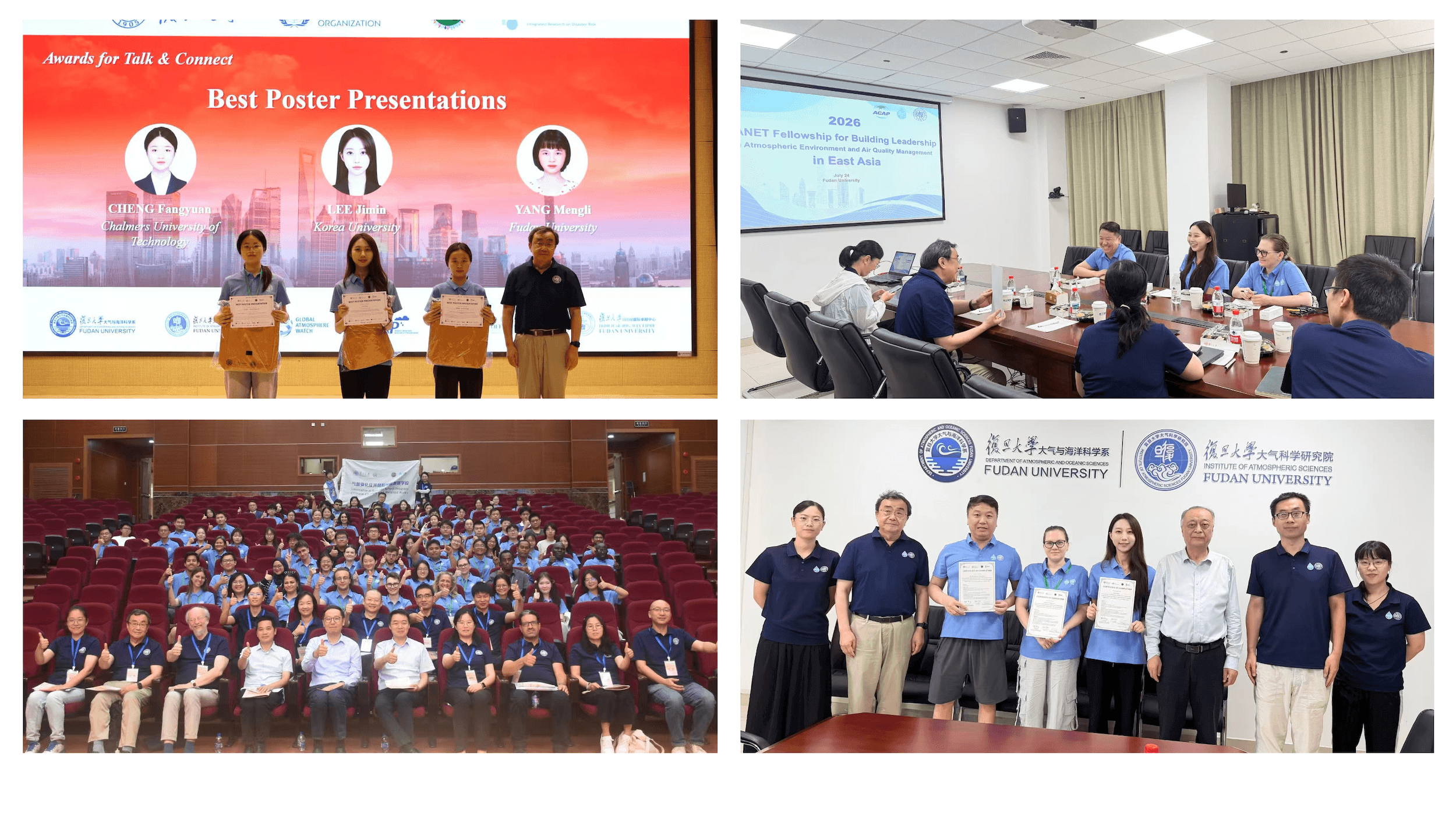
In China, the on-site session was organized by the IRDR ICoE-RIG-WECEIPHE and MAP-AQ Aisan Office Shanghai, Fudan University. The fellows participated in the International Summer School Program on Climate Change and Related Risks held at Fudan University’s Jiangwan campus and joined discussions, under the supervision of FDU. The program featured lectures by several internationally acclaimed scholars and leaders in their respective fields. Additionally, the fellows visited the greenhouse gas lab and atmospheric chemistry lab of the Department of Atmospheric and Oceanic Sciences, FDU, the Shanghai Environmental Monitoring Center, and the relevant facilities related to air quality management. Fudan University also gifted souvenirs and cultural shirts with the logo of this year’s training course to the fellows and organizers.

Fellows at Fudan University, China

.

Highlights of Fellows’ Presentations

The session featured five fellows, each presenting their research projects, which covered a broad spectrum of atmospheric and environmental studies.

  • Indonesia: The fellow, from the National Research and Innovation Agency (BRIN), presented his study on the impact of anabatic and katabatic winds on the dispersion and concentration of PM2.5 in Bandung Basin, utilizing the WRF-Chem Model.
  • Malaysia: The fellow, from the Malaysian Meteorological Department (MMD), focused on the long-term trends of acid deposition in Malaysia and the corresponding impacts of forest fires.
  • Myanmar: The fellow, a Staff Officer at Myanmar’s Department of Meteorology and Hydrology (DMH), provided an overview of air quality in Yangon, highlighting significant challenges and potential solutions.
  • The Philippines: The fellow, from the Environmental Management Bureau (EMB), Department of Environment and Natural Resources, discussed her research on determining potential EANET monitoring sites based on sulfur dioxide emissions in the northern region – Northeastern Pangasinan.
  • Russia: The fellow, from the Yu.A. Izrael Institute of Global Climate and Ecology (IGCE), shared her findings on acidifying compounds runoff discharge and its variations at the Pereemnaya River, Baikal Lake Region.

Following the presentations, participants provided feedback and comments that underscored the importance of such collaborative research efforts. Supervisors from FDU and ACAP, along with other participants, offered their insights, fostering a rich exchange of knowledge and ideas.

The fellows with their completion certificates

.

Closing Remarks and Future Prospects

The event, moderated by Prof. Xu Tang, concluded with remarks from Prof. Meng Fan, the Deputy Director General, Asia Center for Air Pollution Research, from Mr. Bert Fabian, Coordinator, the Secretariat for the EANET, from Prof. Renhe Zhang, Former Vice President of Fudan University, and Dr. Wei Wan, China Program Director, Clean Air Asia. In their remarks, the speakers commended the fellows for their exceptional work and encouraged continued collaboration. The session highlighted the significant strides made through the program in building leadership in air quality management in East Asia, setting a strong foundation for future initiatives.

The Closing Session concluded with Professor Renhe Zhang, Former Vice President of Fudan University, Dean, the Institute of Atmospheric Science (IAS), FDU Director, FDU/IRDR International Center of Excellence, and WMO/IGAC MAP-AQ Asian Office in Fudan University, presenting the completion certificates to the fellows on behalf of the program organizers.

.

The Fellowship for Building Leadership in Atmospheric Environment and Air Quality Management in East Asia program has been approved at the Twenty-fifth Session of the Intergovernmental Meeting (IG25) on the EANET, as a Project Activity, co-funded by the EANET Project Fund, Fudan University, and Clean Air Asia.

.

View the photos on Flickr.

.

Photo credits: all rights reserved to EANET.

EANET Regional Workshop 2024: Unlocking and Future-Proofing Air Quality Management in Asia

18 June 2024, Bangkok, Thailand

Focused on unlocking and future-proofing air quality management in Asia, the regional multi-stakeholder consultation workshop was held in Bangkok, Thailand, on May 27 and 28 2024.  Co-organized by UNEP, ESCAP, and EANET, it aimed to improve multilateral and international cooperation on air pollution, drawing 212 participants from 32 countries, including representatives from academia, government, youth groups, NGOs, the private sector, and UN agencies.

.

Opening Session

Ms. Maria Cristina Zucca, Head of the Pollution and Health Unit at UNEP opened the workshop. She stressed the health risks of air pollution, causing 6.5 million deaths annually, mainly in Asia-Pacific. She urged for robust action and multilateral cooperation, citing the UNEA-6 resolution on promoting regional cooperation on air pollution. Dr. Sangmin Nam, Director of the Environment and Development Division at ESCAP, highlighted the public health impact in Asia-Pacific and emphasized the importance of regional technical cooperation through RAPAP. Dr. Le Ngoc Cau, Deputy Director General of the Viet Nam Institute of Meteorology, Hydrology, and Climate Change, and Chair of the Bureau of the 25th Intergovernmental EANET Meeting emphasized the significance of EANET and called for continued regional cooperation to advance air quality management, including monitoring additional pollutants.

Transitioning to future-oriented strategies, Dr. Andrea Hinwood, Chief Scientist at UNEP, delivered a keynote presentation on the importance of horizon scanning and strategic foresight in air quality management. She stressed the interconnectedness of air pollution, climate change, and biodiversity, and how these factors collectively impact public health and the environment.

.

.

Horizon Scanning for Air Quality Management

The workshop continued with experts from the World Health Organization, the World Meteorological Organization, the Thai Geo-Informatics and Space Technology Development Agency, and the Stockholm Environment Institute setting the scene on Air Quality Management in Asia.

Several strategies were proposed to effectively address air pollution. Firstly, the implementation of WHO guidelines on air pollution was advocated, with aims to save lives, disseminate knowledge, establish standards, promote dialogue, and contribute to climate action. Secondly, leveraging both Low-Cost Sensors and satellite data was suggested to bridge gaps in atmospheric monitoring. This approach could support existing monitoring networks and prioritize early warning systems for events such as Dust and Sand Storms (DSS) wildfires, and overall air quality. Thirdly, enhancing air pollution monitoring using satellite data was recommended, with a comprehensive approach that included mapping, monitoring, modeling, and measuring. Additionally, integrating data from various spheres such as the atmosphere, lithosphere, biosphere, and hydrosphere was proposed to gain a better understanding of air pollution dynamics. Collaboration with international organizations was also encouraged. Finally, recognizing clean air as a fundamental human right was emphasized. Prioritizing data collection on areas and populations most affected by air pollution was deemed essential for targeted interventions and policy formulation.

.

Panel Discussion on Understanding the Transboundary Haze Issue

A panel of experts from the Thailand Environmental Institute, the Food and Agriculture Organization, the World Meteorological Organization, the governments of Lao PDR, and Japan discussed the Transboundary Haze issue in Asia.

Key actions were emphasized in addressing haze pollution. Collaboration among ASEAN countries was deemed crucial to address transboundary haze pollution, with a focus on implementing regional initiatives such as the ASEAN Haze-Free Roadmap. Engagement of various stakeholders beyond traditional forestry sectors, including agriculture and biodiversity sectors, was seen as necessary to address land-clearing practices. Developing robust warning systems like the WMO’s Vegetation Fire and Smoke Pollution Warning Advisory and Assessment System was considered vital, alongside enforcing national laws and fostering regional cooperation to combat haze pollution effectively. Prioritizing sustainable land and forest management, particularly in regions like the Mekong countries, was highlighted as essential to prevent large-scale fires. Providing financial support for projects addressing air quality management and ensuring scientific findings translated into actionable solutions through community engagement and implementation-focused initiatives were both emphasized.

.

Unlocking Finance for Clean Air in Cities

The session on unlocking financial resources for clean air initiatives brought together experts from various organizations including UNEP, the Clean Air Fund, representatives from the governments of the Republic of Korea, Japan, and Mongolia, the World Bank, and the Massive Earth Foundation.

National governments were advised to establish robust legal and policy frameworks and secure long-term funding for air quality initiatives. Government support, societal investment in environmental efforts, substantial funding mechanisms, and private sector involvement were deemed crucial. Learning from examples such as Mongolia, considering the environmental impact of small businesses, and raising awareness through NGOs was recommended. Regional cooperation, international funding channels, and domestic commitments to funding air quality projects were seen as essential. Climate action presented opportunities for industrial innovation. Reforming vehicle tax systems to prioritize mileage and emissions over vehicle type, inspired by successful reforms in Europe, could fund clean air initiatives.

.

A Global Knowledge Platform on Air Quality

Juliette Laurent from the Climate and Clean Air Coalition (CCAC) emphasized the importance of assessment, political support, and future planning for air quality management, introducing the CCAC’s Air Quality Management Exchange (AQMx) initiative.

.

Future Challenges and Solutions in Air Quality Management

The final session of the workshop addressed future challenges and potential solutions in air quality management. Experts from UNEP, the governments of Japan, the Republic of Korea and Thailand, and ESCAP, participated in this session.

The discussions emphasized regional and subregional bodies, as well as financing institutions, to develop and implement regional solutions and cooperate on setting goals for air quality improvement, as outlined in UNEA Resolution 6/10. Panelists underscored the need for essential resource mobilization and tailored regional solutions to achieve significant air quality improvements. Strengthening international and regional collaboration through platforms such as RAPAP, EANET, and the Asia Pacific Clean Air Partnership (APCAP) was recommended, focusing on knowledge sharing, capacity building, and joint research projects. It was also suggested to promote greater regional coherence and harmonization towards cleaner air, leveraging cooperative channels, and addressing regional ozone pollution. Prioritizing technology and innovation, improving data accuracy for public communication, and fostering international and regional cooperation were highlighted as essential for effectively combating air pollution. Leveraging geospatial data, ground-based sensors, digital technology, AI, promoting sustainable agriculture practices, and fostering cross-border collaboration were also recommended strategies.

.

RAPAP as a Collective Action Programme

The sessions on 28 May focused on the Regional Action Programme on Air Pollution (RAPAP) which was adopted by ESCAP member States at the 7th Committee on Environment and Development in 2022, and subsequently endorsed by ESCAP resolution (79/6). RAPAP provides a framework or reference for national, subregional, multilateral, and multistakeholder mechanisms to advance their cooperation agenda for clean air in the Asia Pacific region. The sessions aimed at exchanging information and updates on initiatives supporting regional clean air cooperation, identifying focus areas, and recommending actions to enhance collaboration and stakeholder contributions.

Experts from UN agencies, Development agencies, Foundations, the ASEAN, NGOs, research institutes, and Asian governments discussed opportunities for technical cooperation involving identifying training needs, sharing best practices, and promoting partnerships to tackle air pollution. Recommendations for accelerating regional cooperation were discussed, including developing coordinated strategies, enhancing air quality monitoring and technical assistance, and improving communication and stakeholder engagement.

.

Useful Resources

Download the speakers’ presentations:

.

Photo credits: all rights reserved to UNEP, ESCAP, and EANET.

National Stakeholder Awareness Workshop in China: Promoting Acid Deposition and Air Quality Management in East Asia

Bangkok, 18 January 2024

The EANET National Awareness Workshop in China: Promoting Acid Deposition and Air Quality Management in East Asia was held on 18 October 2023 at Fudan University in Shanghai, China, and online, as a side event of the First International Conference on Chemical Weather and Chemical Climate (CWCC2023). The Workshop was co-organized by EANET and Fudan University and was joined by 50 participants.

.

Opening Remarks

Mr. Zhou Jun, Director of the Asian, African, and Latin American Affairs Division of the Department of International Cooperation of the Ministry of Ecology and Environment, P.R. China, and EANET National Focal Point, delivered the opening remarks. He emphasized EANET’s two-decade journey in building a strong network and China’s commitment to its collaboration. China places high importance on EANET as a platform for expertise and knowledge-sharing and has actively supported its scope expansion. China has declared a “war” on air pollution and achieved a 57% reduction in average PM2.5 concentrations from 2013 to 2022 while doubling its GDP. Mr. Zhou Jun expressed China’s willingness to continue supporting EANET and collaborate for atmospheric environmental protection.

Prof. Xu Tang, from Fudan University, welcomed participants to the EANET side event at the First International Conference on Chemical Weather and Chemical Climate (CWCC2023). He explained the event’s focus on showcasing EANET and fostering collaboration, aligning with CWCC2023. Prof. Xu highlighted ongoing discussions about cooperation between EANET and Fudan University, particularly in capacity-building efforts.

Mr. Bert Fabian, Coordinator of the Secretariat for the EANET, outlined the workshop’s goals. He emphasized the connection between air pollution and climate change and the valuable opportunity for EANET to collaborate with Fudan University, which works closely with the World Meteorological Organization (WMO) and MAP-AQ. EANET has a strong history of monitoring acid deposition and air pollutants and providing high-quality data, and the Awareness Workshop aims to enhance interaction among researchers, scientists, and policymakers in China and beyond for the benefit of EANET Participating Countries and partners.

Some panelists and participants during the Workshop

.

More than two decades of EANET

Dr. Meihua Zhu of the Asia Center for Air Pollution Research (ACAP) discussed EANET’s evolution from the 1990s to its formal establishment in 2001, the adoption of the Instrument in 2012, and scope expansion in 2021. She highlighted EANET’s crucial role in policy development, data collection, annual Data Reports, and Periodic Reports on Acid Deposition in East Asia. Dr. Zhu also emphasized the availability of high-quality data on the EANET website. She introduced the Project Fund mechanism and its funded projects in 2023 and 2024. Dr. Zhu underscored EANET’s intergovernmental and cooperative approach in advancing shared knowledge and enhancing air quality in East and Southeast Asia.

 .

Acid Deposition and Air Pollution Management in China

Dr. Siyuan Liang of the China National Environmental Monitoring Centre (CNEMC), the National Center for EANET in China, presented China’s acid deposition and air quality management over recent years. In 2021, PM2.5 levels in cities at the prefecture level or above in China dropped from 46 μg/m³ in 2015 to 30 μg/m³, with significant reductions in PM2.5, SO2, NO2, and CO concentrations from 2013 to 2022. She highlighted 1,000 acid monitoring sites in 469 cities, including Chongqing, Lijiang, Wuzhishan, Xiamen, Xi’an, and Zhuhai sites, part of the EANET network, and highlighted the reduction in acid deposition pollution since 2005. Dr. Liang also presented the various advanced monitoring methods and big data platforms in use in China. She ended her presentation by mentioning the importance of further enhancing monitoring data for environmental management, covering various pollutants to aid decision-making.

Dr. Yangxi Chu from the Chinese Research Academy of Environmental Sciences (CRAES) presented China’s impressive air quality improvements over the last decade. Key achievements include stricter air pollution policies, enhanced vehicle emissions standards, clean residential heating, and joint air pollution prevention and control. Dr. Chu outlined China’s 2025 air quality goals and highlighted the role of science and technology in policymaking. He mentioned the National Joint Research Center for Air Pollution Control and its collaborative network, to recognize the main PM2.5 sources and to complete the “last mile” of scientific and technological applications to the ground. Dr. Chu showcased China’s substantial reduction in PM2.5 concentration nationwide and in Beijing, realizing air quality improvement as well as economic development.

 .

Discussion

Dr. Wei Wan from Clean Air Asia, China Office, discussed China’s journey toward cleaner air, emphasizing significant reductions in air pollutants from 2013 to 2021. She highlighted the successful balance between economic growth and air quality, attributed to revised air quality standards in 2012, among other policies. Dr. Syarif Romadhon from Indonesia’s National Research and Innovation Agency (BRIN) emphasized the importance of EANET’s collaboration and admired China’s example of economic development while reducing air pollution. Professor Gantuya Gambat from the German-Mongolian Institute for Resources and Technology expressed appreciation for EANET’s efforts for uniting scientists and policymakers in particular through the EANET Project Fund activities.

Professor Greg Carmichael, from the University of Iowa, USA, and Chair of the Scientific Steering Committee of WMO-GAW, highlighted the significance of EANET from the perspectives of the World Meteorological Organization (WMO) and the Global Atmosphere Watch (GAW). He emphasized the importance of monitoring acid deposition in East and Southeast Asia and the collaboration between GAW and EANET. Professor Carmichael expressed gratitude for EANET’s data access and emphasized the need for relevant intercomparison models and emission projections.

 .

Closing Session

Dr. Shiro Hatakeyama, DG at ACAP, delivered the Closing Remarks. He highlighted EANET’s two-decade experience in addressing acid deposition and improving air quality. Dr. Hatakeyama credited the collaborative efforts of the 13 Participating Countries for significant improvements in the atmospheric environment. He expressed admiration for the rapid enhancement of air quality in China and emphasized EANET’s contribution to bettering the atmospheric environment in East Asia. In 2021, EANET expanded its scope to include atmospheric environmental pollutants including ozone and PM2.5, recognizing that controlling these pollutants can yield co-benefits for human health, global warming, and climate change mitigation. Dr. Hatakeyama mentioned the Project Fund mechanism, fostering collaboration beyond the Participating Countries, and expressed hope for extended cooperation.

.

Useful Resources:

-Read the Panelists’ Presentations:

.

Photo credits: cover photo of Pudong Century Avenue, Shanghai, China (2021) by Iewek Gnos, all other photos: all rights reserved to EANET.

Improving Air Quality: Insights and Collaboration at the EANET Workshop on VOCs Related Activities

Bangkok, 28 November 2023

The Workshop on Knowledge Sharing for VOCs Related Activities in EANET took place at the Asian Development Bank (ADB) Headquarters, Manila, Philippines, and online on Tuesday 14 November 2023, as a pre-event to the  Better Air Quality Conference (BAQ) 2023. It gathered around 35 experts in the auditorium of ADB Headquarters, Manila, Philippines, and about 80 participants online.

.

EANET’s Initiatives for a Comprehensive Understanding of VOCs

Volatile Organic Compounds (VOCs) are components of air pollution that include a complex mixture of hundreds of carbon-containing gases. VOCs also include a wide variety of chemicals, some of which can cause short- and long-term adverse health effects. However, due to the unique characteristics of VOCs and the relatively high cost of measurement, VOCs monitoring and its related activities in the EANET region are still at an early stage. Since February 2023, the EANET has launched the “Feasibility for Promoting VOCs related Capacity Building in the EANET” project as part of the first batch of EANET Projects funded by the EANET Project Fund.

The EANET Workshop on Knowledge Sharing for VOCs Related Activities aimed at providing a complete understanding of VOCs related activities from the monitoring design to policy implementation, and to foster a comprehensive understanding and collaboration in the field of VOCs by bringing together experts, researchers, and practitioners in a multidisciplinary platform.

Mr. Yu Kamei, Director of the International Cooperation Office, Environment Management Bureau, Ministry of the Environment, Japan (MOEJ) and Engr. Marcelino N. Rivera Jr. OIC of the Environmental Quality Management Division of the Environmental Management Bureau (EMB) of the Philippines,  Central Office, on behalf of the EMB Director and concurrent Assistant Secretary Gilbert C. Gonzales, delivered opening remarks. Five presentations followed and covered VOC-related activities, from monitoring to emission control. Mr. Bert Fabian, Coordinator, Secretariat for the EANET moderated the Workshop.

.

Advancements in VOCs Monitoring and Emission Control Across East Asia

Dr. Yujiro Ichikawa, Researcher at the Atmospheric Environment Group,  Center for Environmental Science in Saitama (CESS) Japan, presented ” Methods of Measuring Atmospheric VOCs and Case Study in Japan”. Afterwards, Dr. Toshimasa Ohara, Research Director, Center for Environmental Science in Saitama (CESS), the SAC member of Japan for the EANET, and Dr. Kessinee Unapumnuk, Director, Transboundary Air Pollution Sub-Division, Air Quality, and Noise Management Division, Pollution Control Department  (PCD), Thailand, delivered presentations on “VOCs and secondary air pollution in East Asia” and “Establishment of Environmental Standards and Guideline Values of Volatile Organic Compounds in the Kingdom of Thailand”, respectively.

.

.

From the perspective of VOCs emission control, Mr. Junjie Tian, Engr., Shanghai Academy of Environmental Science, and Dr. Miao Feng, Director, Institute of Atmospheric Environment, Chengdu Academy of Environmental Science, delivered presentations on the “Prevention and Control of VOC pollution in Shanghai: progress, achievement and prospect” and “Volatile Organic Compounds (VOCs) emission control in Chengdu, China”. During their presentations, they introduced the Chinese local governments’ practices, the lessons learned, and the achievements made during the past decade.

.

.

Prof. Fan Meng, Deputy Director General of the NC for the EANET, Asia Center for Air Pollution Research (ACAP) delivered closing remarks. The session was marked by active discussions and exchange of information, including with online participants. The event exemplified EANET’s commitment to fostering a multidisciplinary platform for experts, researchers, and practitioners to collectively address the challenges of VOCs in air pollution.

.

This activity was implemented by the EANET and funded by the Ministry of the Environment, Japan, (MOEJ) and the Environmental Management Bureau (EMB) of the Philippines, through the EANET Project Fund.

.

Find out more about the EANET Project Fund.

.

Useful Resources:

-Read the Panelists’ Presentations:

.

-Read the Q&A Report

-View the Photos on Flickr

View the recordings on YouTube

.

Photo credits: Manila, Philippines (2020) by Alexes Gerard; all other photos and videos: all rights reserved to EANET.

EANET Regional Awareness Workshop in 2023: A focus on Volatile Organic Compounds and Low-Cost Sensors

13 June 2023 – Bangkok, Thailand

The EANET Regional Awareness Workshop in 2023 focused on the growing concerns surrounding Volatile Organic Compounds (VOCs) and the use of Low-Cost Sensors (LCS) for air quality monitoring in Northeast and Southeast Asia. Held on 30 May 2023 at the United Nations Convention Center and online, it aimed to foster collaboration on air quality management, address global challenges related to VOC pollution, and discuss the potential of LCS technology. The Workshop was held as part of the Climate and Clean Air Conference: Air Quality Action Week, organized by the UN Environment Programme (UNEP) and the Climate and Clean Air Coalition (CCAC), and in cooperation with the Asian Institute of Technology, Regional Resource Centre for Asia and the Pacific (RRC.AP). 129 participants from 15 countries joined the Workshop.

.

Enhancing Air Quality Monitoring and Collaboration in East and Southeast Asia

Ms. Marlene Nilsson, Deputy Regional Director of UNEP Asia Pacific office, opened the EANET Awareness Workshop by delivering remarks highlighting the importance of alliances such as EANET to build regional solutions through data sharing and collaboration.

.

Volatile Organic Compounds Pollution Challenges and Air Quality Regulations in Asia

The first Session focused on the importance and challenges of VOC measurement in East and Southeast Asia. Presenters and panelists included Prof. Meng Fan, DDG for EANET, Asia Center for Air Pollution (ACAP), Dr. Meihua Zhu, Senior Researcher, Asia Center for Air Pollution (ACAP), Prof. Hong Li, Chinese Research Academy of Environmental Sciences (CRAES), China, Dr. Kessinee Unapumnak, Pollution Control Department (PCD), Thailand and Mr. Jundy T. Del Socorro, Environment Management Bureau (EMB), The Philippines.

.

View the recording of Dr. Kessinee Unapumnak’s presentation on Thailand’s Air Quality Management Framework

.

VOCs have emerged as a significant pollutant in Asia, posing challenges due to rising levels and diverse emission sources and chemical compositions. While Japan, the Republic of Korea, and Thailand have ambient VOC standards, other countries do not have such standards or guidelines. This is why the project Promoting VOCs related Capacity Building in the EANET, supported by the Ministry of the Environment, Japan (MOEJ) has been developed and launched in 2023, through the EANET Project Fund. Planned to last three years, the project is the fruit of cooperation between the MOEJ, the Network Center for the EANET, and different government and research institutes from China, Japan, Mongolia, and the Philippines, also including experts from the Republic of Korea and Thailand.

.

Low-Cost Sensor Technology for Air Quality Monitoring: Integration Efforts and Need for Reliability

The second Session focused on Low-Cost Sensors’ (LCS) Role in Air Quality Management in East and Southeast Asia. Presenters and panelists included Dr. Akie Yuba, Researcher, Asia Center for Air Pollution (ACAP), Prof. Kim Oanh, Asian Institute of Technology (AIT), Dr. Le Ngoc Cau, Ministry of Natural Resources and Environment, Institute of Meteorology, Hydrology and Climate Change (IMHEN), Viet Nam, Ms. Dang Espita-Casanova, Clean Air Asia, and Ms. Karine Léger, Airparif, France.

.

View the recording of Ms. Dang Espita-Casanova’s presentation on Hybrid air quality monitoring: Achieving air quality goals in Philippine Cities

.

Discussions highlighted the potential and limitations of Low-cost sensor (LCS) technology. LCS is a portable and relatively cheaper monitoring system used for air quality monitoring, but challenges remain regarding data accuracy, calibration, and maintenance. LCS data can be valuable for non-regulatory monitoring applications and are powerful awareness-raising tools for citizen science. Efforts are being made to integrate LCS with reference-level sensors through projects like the EANET’s Hybrid Air Quality Monitoring Network (HAQMN) in Asia, in Viet Nam specifically, and guidelines are being developed to replicate this integration in other countries. LCS deployments have been conducted in the Philippines to fill coverage gaps, requiring local calibration and integration with conventional sensors. LCS are seen as complementary to traditional sensors, providing better coverage and valuable data for policymakers. Standardization, calibration, and integration need further attention to ensure the reliability of LCS for various purposes.

 .

Key Recommendations

The workshop panelists discussed several key recommendations. Firstly, they suggested conducting research to establish VOC Air Quality Guideline Values and Standards by monitoring, reporting, and analyzing emission sources. Secondly, they emphasized the need to strengthen research on VOCs’ impact on air quality and human health. Additionally, they proposed developing guidelines, standards, and policies for the use of LCS (low-cost sensors) and promoting research on calibration, correction factors, and quality assurance to ensure reliable LCS data. They also recommended creating guidelines for integrating LCS with existing monitoring networks to ensure data reliability. Lastly, they highlighted the importance of establishing regional and international platforms for sharing knowledge and best practices related to LCS.

Dr. Shiro Hatakeyama, DG, Asia Center for Air Pollution (ACAP) delivered the Closing Remarks and emphasized the importance of VOC monitoring, VOCs being the precursors of ozone and particulate matter. He highlighted the importance to expand the EANET’s monitoring network to include VOCs and mentioned LCS could be considered for this expansion if their reliability can be strengthened.

.

Useful Resources
  • Read a more detailed summary of the Workshop’s content in the EANET Awareness Workshop in 2023 Event Report.
  • View all Workshop’s recordings on the Secretariat for the EANET’s YouTube channel and the Workshop’s photos on Flickr.
  • Download the speakers’ presentations:

Two Decades of EANET: From Data to Policy by Prof. Meng Fan, ACAP

Understanding VOCs Impact in East Asia: Building Tools and Capacity for Better Air Quality Management by Dr. Meihua Zhu, ACAP

Management and Control of Anthropogenic VOCs in China by Prof. Hong Li, CRAES, China

Thailand’s Air Quality Management Framework by Dr. Kessinee Unapumnak, PCD, Thailand.

Air Quality Management in the Philippines, Mr. Jundy Del Socorro, EMB, the Philippines.

Introduction to Low-Cost Sensors (LCS) by Dr. Akie Yuba, ACAP

Air Quality Management in Viet Nam by Dr. Le Ngoc Cau, MONRE, Viet Nam

Hybrid air quality monitoring: Achieving air quality goals in Philippine Cities by Ms. Dang Espita-Casanova, Clean Air Asia.

Air Pollution Monitoring and LCS in France by Ms. Karine Léger, Airparif, France.

.

Photo credits: all rights reserved to EANET.

National Stakeholders’ Awareness Workshop in the Philippines on EANET in 2023

26 May 2023 – Manilla, Philippines

The National Stakeholder Awareness Workshop in the Philippines on EANET: Promoting acid deposition and air quality management in East Asia was held in Manila, on 26 May 2023, in cooperation with the Environmental Management Bureau (EMB) of the Department of Environment and Natural Resources  (DENR), Philippines, and the Institute of Environmental Science and Meteorology (IESM), University of the Philippines. It aimed at showcasing the achievements and activities of the EANET over the last 20 years, including activities involving the Philippines and encouraging cooperation between EANET and Philippine stakeholders in the implementation of the expanded scope and the EANET Project Fund activities. The Workshop was held at the Institute of Environmental Science and Meteorology, College of Science, University of the Philippines-Diliman, and gathered around 70 participants.

The stakeholder Workshop was organized back-to-back with the Volatile Organic Compound (VOC) Project Advisory Group Meeting in Manilla, as part of the EANET VOC Project in 2023.

.

Promoting Acid Deposition and Air Quality Management for over 20 Years

Bert Fabian, Coordinator of the Secretariat for the EANET welcomed the participants and thanked the EMB-DENR and UP-IESM for their cooperation and support. He explained EANET’s expansion of scope to cover more projects and activities on air pollution. He encouraged participants and stakeholders to do more research and activities on acid deposition and air pollution and promote partnerships and collaboration.

Presentations were delivered by Prof. Meng Fan, from the Asia Center for Air Pollution (ACAP) and Network Center for the EANET, Mr. Sammy Aytona from the Environment Management Bureau Philippines (EMB), Mr. Chadbert Aquino, from EMB, and Ms. Everlyn Gayle Tamayo from Clean Air Asia.

Prof. Fan Meng presented EANET’s findings over 20 years, noting improvements in Sulfur dioxide-related air pollution in Northeast Asia but stressing the need to address particulate matter in Southeast Asia. Persistent high levels of nitrogen oxides and ozone pollution were also discussed, highlighting the importance of expanding monitoring for effective air quality monitoring and assessment. EANET is supporting such efforts as part of its individual training program primarily for government officials in the EANET countries and showcasing the network’s commitment to capacity building.

Mr. Aytona presented acid deposition monitoring activities in the Philippines, including plans to enhance monitoring and raise awareness about EANET activities. Mr. Aquino emphasized the challenges and opportunities in Philippine air quality management, emphasizing comprehensive strategies and stakeholder collaboration.

Ms. Tamayo highlighted the significance of monitoring, emissions inventory, modeling, and health impact assessment, and introduced decision-making resources. Collaboration among government, industries, academia, and civil society was emphasized for effective air quality management.

.

National Stakeholders’ Awareness Workshop in the Philippines on EANET in 2023 in-person participants.

.

Panel Discussion: Interventions from EANET Experts on Air Quality Monitoring Challenges and Implications for the Philippines

Professor Hong Li (CRAES, China) emphasized setting clear goals, developing a long-term plan, and establishing strong coordination and robust emissions inventory at the local level. She suggested implementing a 10-point policy framework and continuously updating standards and intervention measures.

Dr. Toshimasa Ohara (CESS, Japan) showcased Japan’s success in mitigating air pollution while maintaining economic growth. He highlighted the reduction of bio emissions but emphasized the challenge of addressing chemical ozone. He expressed hope for EANET’s role in addressing air quality problems in the Philippines.

Dr. Kessinee Unapumnak (PCD, Thailand) presented Thailand’s Air Quality Management Framework and shared activities such as area-based management, sectoral approach, public relations management, and increasing public awareness. She emphasized the importance of inter-ministerial cooperation and effective policy implementation.

Professor Gangwoong Lee (HUFS, Republic of Korea) emphasized the potential contribution of citizens in reducing Volatile Organic Compounds (VOCs). He praised the Philippines’ efforts in monitoring PM2.5 and VOCs and encouraged the country to persist in its air quality improvement endeavors.

The EANET workshop concluded with experts emphasizing the importance of clear goals, long-term planning, and strong coordination in air quality management. They highlighted the need for continuous updates of regulations, citizen involvement, and evidence-based policies. Dr. Shiro Hatakeyma, Director General of ACAP, delivered the closing remarks.

.

Interested in participating in an EANET Project? Find out more on the EANET Project Fund.

.

Useful resources:

.

Photo credits: featured image by Brutalist Pilipinas, 2021, free of rights; all other photos: all rights reserved to EANET.

EANET Experts discuss monitoring and management issues for VOC: Insights from the Manila Advisory Group Meeting

13 July 2023 – Bangkok, Thailand

The EANET Volatile Organic Compound (VOC) Project Advisory Group Meeting was held in Manila from 24-26 May 2023 including laboratory and VOC monitoring site surveys, resulting in finalizing activities in the Philippines and Mongolia and other recommendations for the VOC project’s progress.

.

The VOC Project Advisory Group Meeting

The Network Center for the EANET, organized the EANET VOC Advisory Group Meeting in Manila, Philippines, as part of the EANET « Project for the feasibility for promotion of VOCs related capacity building in EANET » Project Activity in 2023.

The first meeting for the project took place in February 2023. As part of this project, it was decided to create an Advisory Group, composed of experts from Japan, the Republic of Korea, China, Thailand, and from the Network Center, to give guidance on feasible measurement methods, data analysis, identification of the target species to measure VOCs, and feasible reduction measures. During the meeting, the Advisory Group members considered methods like DOAS (Differential Optical Absorption Spectroscopy), canister sampling, sorbent tubes, and passive samplers. They emphasized the importance of source identification and reducing toxic VOCs, and discussed the use of low-cost sensors.

.

Participants to the EANET VOC Advisory Group Meeting with the representatives of the Government of the Philippines (EMB-DENR)

.

Lab Survey, VOC Monitoring Site Visit, and Stakeholder Workshop

A laboratory survey was conducted at the Environmental Research and Laboratory Services Division (ERLSD), Environmental Management Bureau (EMB), and the Institute of Environmental Science and Meteorology (IESM), College of Science, University of the Philippines. On the following day, the mission continued with a VOC monitoring site survey at the Region III Air Quality Management Section (AQMS) in Pampanga. This survey aimed to assess the monitoring of volatile organic compounds in that specific area. The next morning, a summary discussion and bilateral meeting took place between the Philippine representatives, the Network Center, and Secretariat for the EANET. This meeting provided an opportunity to share their findings, insights, and recommendations. Finally, on the afternoon of 26 May, the National Stakeholder Awareness Workshop: Promoting acid deposition and air quality management in East Asia was held to address air quality management challenges and explore potential solutions tailored to the specific context of the Philippines.

.

Site visit in Pampanga, Region III

.

VOC Advisory Group Recommendations and Highlights

The VOC project Advisory group meeting involved thirty-six participants and facilitated in-depth information exchanges and discussions among project stakeholders and advisory group members. Recommendations for the project plan were compiled based on the insights gained from the laboratory and monitoring assessments during the mission.

The Advisory Group emphasized that the final goal of the project is to reduce Ozone and PM2.5 pollution. For this purpose, understanding the status of VOCs and exploring the best solutions for their reduction is key. The Advisory Group discussed VOCs measurement methodologies and a methodology for estimating Secondary Organic Aerosol (SOA) contribution and source apportionment of VOCs.

Among their recommendations, the Advisory group considered prioritizing monitoring of BTX (Benzene, Toluene, Xylene) in the Philippines and Mongolia. Methods such as Canister/Gas Chromatography/Flame Ionization Detection/Mass Spectrometry (GC/FID/MS) and Differential Optical Absorption Spectroscopy (DOAS) were recommended to be compared. Sampling should be conducted for 24 hours over two weeks at various locations. Capacity building for Volatile Organic Compounds monitoring was considered crucial. Re-establishing Canister/Sorbent Tube-GC/FID/MS methods (TO14/14a/15/15a) in the lab is recommended. Training, consumables, and support for monitoring and analysis were considered important. Developing Standard Operating Procedures (SOPs) for VOCs monitoring and formulating air quality guidelines are the key objectives.

.

The mission in the Philippines received financial contributions from the Ministry of the Environment, Japan (MOEJ) and significant in-kind contributions from the Philippines, for which the organizers expressed their appreciation.

.

The VOC project has been funded by The Ministry of Environment, Japan (MOEJ), through the EANET Project Fund.

.

Useful Resources:

-Read the meeting highlights on the Environmental Management Bureau’s (EMB) website.

-View the EANET VOC Project Advisory Group Meeting photos on Flickr

.

Photo credits: Cover photo by Louis (2015), all other photos, all rights reserved to the EANET.

National Stakeholder Awareness Workshop in China: Promoting Acid Deposition and Air Quality Management in East Asia – Join us on 18 October!

.R

Registration is now closed.

.

Background and Objectives

The Acid Deposition Monitoring New Workshop in East Asia (EANET) was established in 2001 as an intergovernmental initiative to create a common understanding of the state of acid deposition problems in East Asia, provide useful inputs for decision-making at various levels, and promote cooperation among countries. The People’s Republic of China is one of the 13 EANET Participating Countries (PCs). In 2021, the PCs decided to expand the scope of EANET to explicitly cover air pollution and adopted a Supplementary Document (Annex) to the Instrument. EANET, as an intergovernmental initiative, is bound by an Instrument that PCs have committed to.

EANET’s activities are guided by five-year Medium Term Plans and a Work Programme and Budget approved by the PCs every year. In 2023, the Secretariat is organizing National Stakeholder Awareness Workshops to support the implementation of activities of the EANET and to better understand specific country needs. The EANET National Awareness Workshop in China will be held on 18 October 2023, from 9:30-11:30 (Shanghai time) at the Fudan University in Shanghai and online, as a side event of the First International Conference on Chemical Weather and Chemical Climate (CWCC2023). The EANET Workshop is co-organized by the Secretariat and the Network Center for the EANET, the Fudan University, Ministry of Ecology and Environment, P.R. China.

This workshop aims to showcase the achievements and activities of the EANET over the last 20 years including activities involving P.R. China and to encourage more cooperation with EANET and P.R. China in the implementation of the expanded scope and the EANET Project Fund activities. Participants of the workshop will be government officials, academicians, non-government organizations, and the private sector.

Read the Workshop’s Concept Note here.

.

Draft Agenda

.

Read the full CWCC2023 Program on the Conference’s website.

.

For further inquiries, contact the EANET Secretariat.


Workshop on National Air Quality Monitoring Systems and Methodologies with Related Partners

27 July 2022 – Bangkok, Thailand

The Network Center for the EANET organized the Workshop on National Air Quality Monitoring Systems and Methodologies with Related Partners online on 6 July 2022. It gathered scientists and researchers, government officers, technicians including Quality Assurance/Quality Control managers, and representatives of international organizations who discussed how to improve the EANET monitoring system. 180 participants from 17 different countries and regions joined the Workshop.

.

Opening Session

Moderated by Ms. Yao Dong, Assistant Deputy Director General of the Asia Center for Air Pollution Research (ACAP) in charge of the Network Center (NC) for the EANET, the Workshop started with Opening and Welcome Remarks by Dr. Shiro Hatakeyama, Director General of ACAP in charge of the NC for the EANET and followed by Mr. Toshiyuki Yamasaki, Director of the International Cooperation Office, Environmental Management Bureau, the Ministry of the Environment, Japan.

Dr. Shiro Hatakeyama and Mr. Toshiyuki Yamasaki delivered the opening remarks.

Remarks emphasized the introduction of new monitoring substances such as (but not only) ammonia, particulate matter, and volatile organic compounds, following the expansion of the scope of the EANET as decided by the IG23, and the need to adapt EANET’s monitoring system accordingly. The new EANET Project Fund mechanism, allowing the EANET and other organizations to collaborate on acid deposition and air-quality related projects, was also introduced.

.

Lectures and panel discussion

Among its key activities, the EANET is currently monitoring atmospheric substances at 64 monitoring sites in the EANET Participating Countries. The monitoring focuses on five items – wet deposition, dry deposition (air concentration), soil and vegetation, inland aquatic environment, and catchment-scale monitoring.

The Workshop on National Air Quality Monitoring Systems and Methodologies with Related Partners was funded by the Ministry of the Environment, Japan, and implemented by the Network Center for the EANET. Its goal was to share a wide range of national and international experiences in the field of atmospheric monitoring while discussing the current development and future challenge of monitoring systems and related methodologies in the EANET region.

Panelists during the discussion sessions.

The first session introduced the EANET monitoring activities and was followed by case studies from Japan, the Republic of Korea, and China. In addition, specific monitoring methodologies including QA/QC activities were also introduced.

Dr. Meng Fan delivered the closing remarks.

In the second session, a panel discussion, followed by an open discussion, took place to exchange ideas on specific country challenges and discuss how to link EANET’s work with urban monitoring. Members of the EANET Scientific Advisory Committee (SAC) and from other organizations, such as Clean Air Asia, joined the discussion.

Closing remarks were provided by Dr. Fan Meng, Deputy Director General of ACAP in charge of the NC for the EANET, who summarized the highlights of the Workshop and thanked all speakers and participants for their active contribution. Among the key outcomes of the Workshop, Dr. Meng emphasized the question of linking EANET’s work with city-level monitoring and the challenge to measure volatile organic compounds and secondary pollutants.

.

Useful Resources
  • View the full recording of the Workshop on the EANET Secretariat’s Youtube channel
  • Download the Workshop’s Program
  • View the Workshop’s photos on Flickr
  • Download the Workshop’s presentations:

Development and role of monitoring system in EANET and the case study of Japan

Latest National and Local/City Monitoring System in the Republic of Korea

Study on the Co-control of PM2.5 and Ozone Pollution in Beijing, Tianjin, Hebei, and Surrounding Region of China

Monitoring methodologies and QA/QC activities in the EANET

-Introduction to EANET Project Fund and Project Activities 2022-2023

  • Find out more on the topic of the nitrogen cycle, touched upon during the panel discussion, by reading Prof. Akimoto’s et al. related research papers:

Review of Comprehensive Measurements of Speciated NOy and its Chemistry: Need for Quantifying the Role of Heterogeneous Processes of HNO3 and HONO (2020)

Rethinking of the adverse effects of NOx-control on the reduction of methane and tropospheric ozone – Challenges toward a denitrified society (2022)

.

Photo credits: All rights reserved to EANET.