EANET Advances Regional VOC Monitoring through Technical Guidance Development and Scientific Exchange
27 October 2026
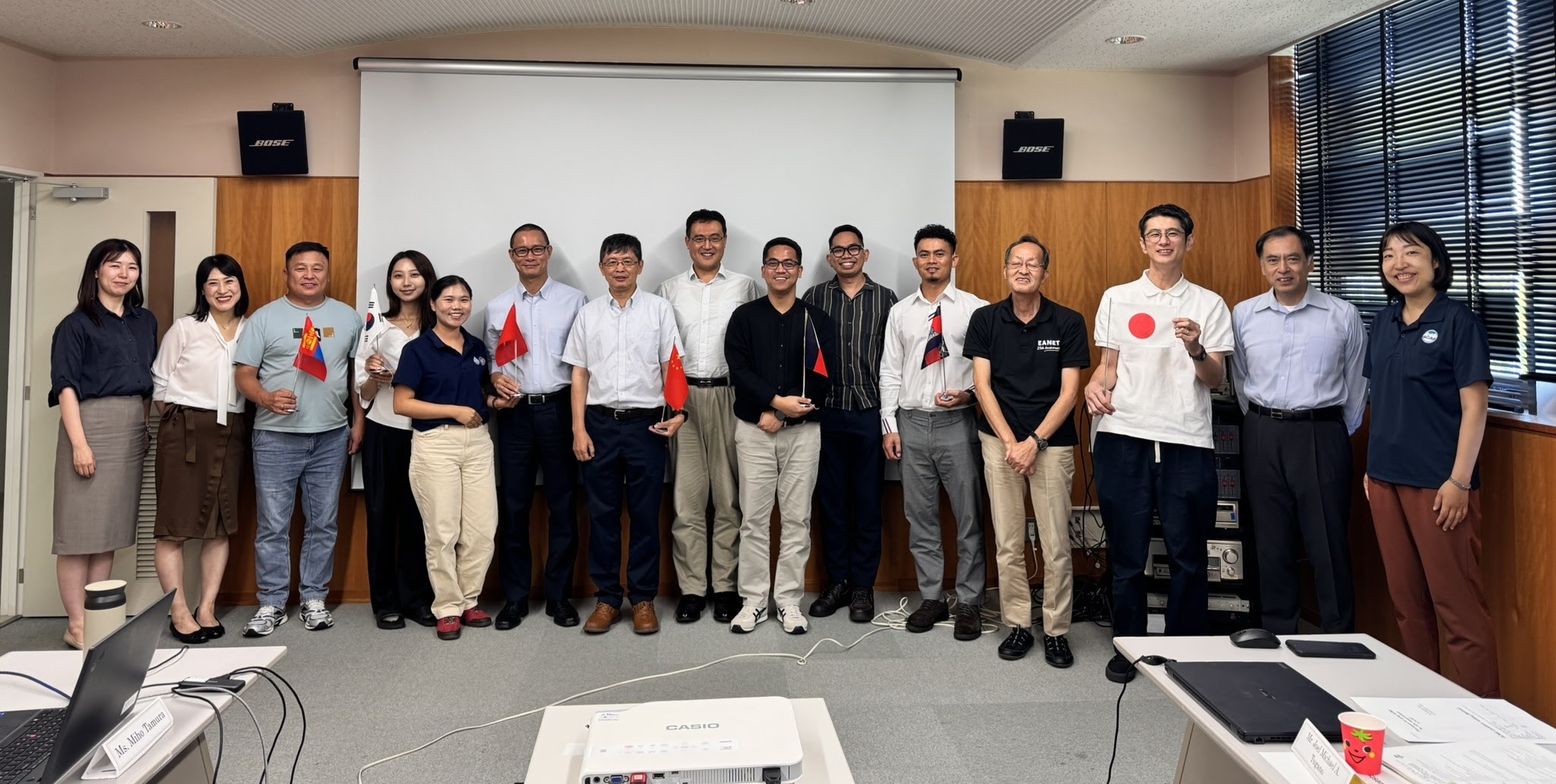
The Drafting Committee Meeting on the Technical Training Guidance for VOC Sampling under EANET was held on 4–7 August 2026 at the Asia Center for Air Pollution Research (ACAP) in Niigata, Japan, bringing together experts from seven EANET Participating Countries including Cambodia, China, Japan, Mongolia, the Philippines, the Republic of Korea, and Viet Nam, and partner institutions. The meeting focused on developing practical guidance for ambient VOC monitoring through technical discussions, hands-on demonstrations, and scientific exchange on VOCs, ozone, and secondary organic aerosols (SOA).
.
Developing the Technical Training Guidance for VOC Monitoring
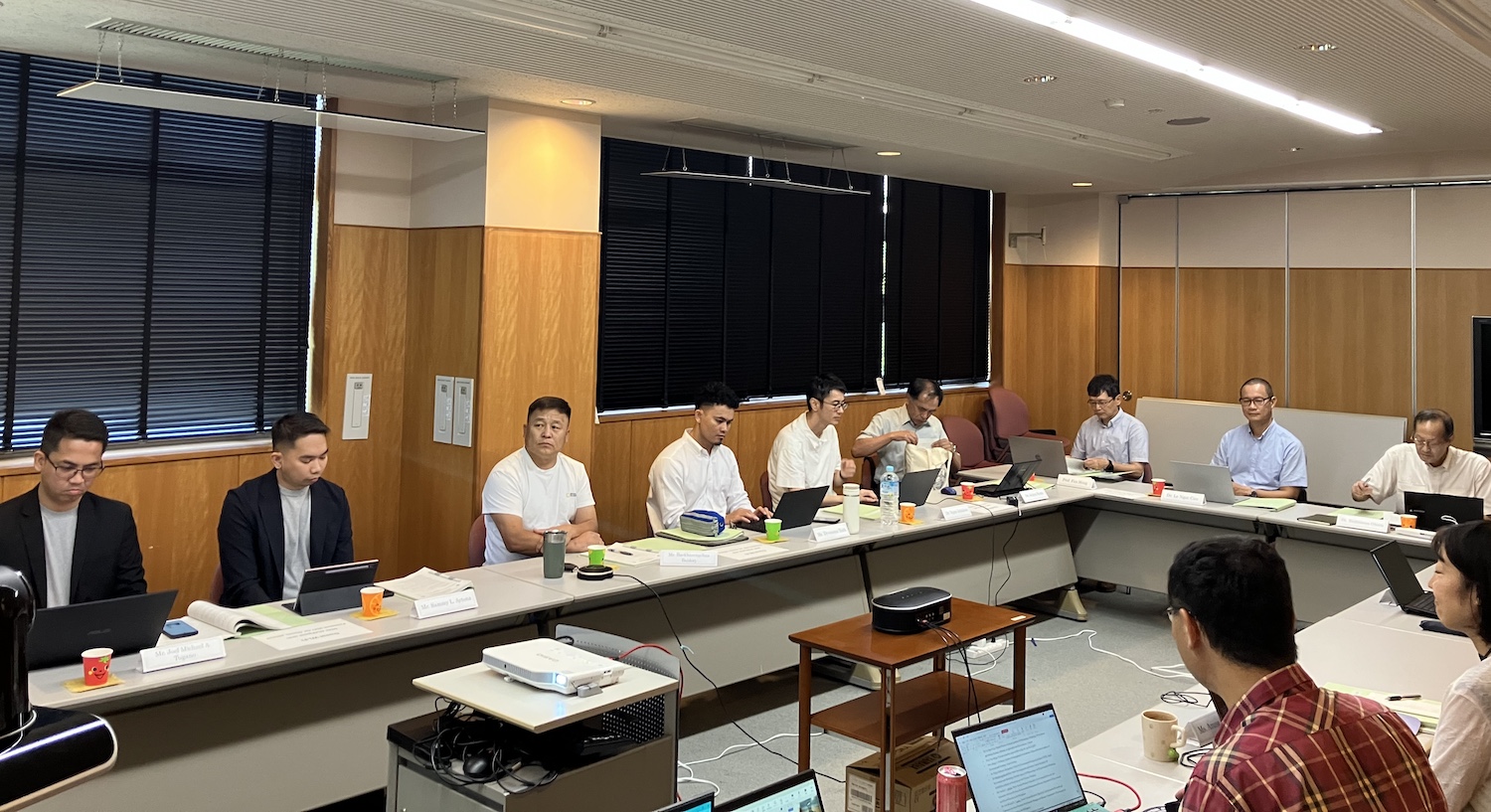
On 4–5 August, experts from EANET Participating Countries taking part in the project Capacity Building in Promoting VOCs in the EANET worked together to develop the Technical Training Guidance for Ambient VOC Monitoring.
Through technical discussions and peer review sessions, participants examined a range of monitoring approaches, including canister sampling, sorbent tube sampling, charcoal tube sampling, passive samplers, and online monitoring technologies. The discussions placed strong emphasis on practical sampling experience gained under diverse national and environmental conditions, such as high-altitude, large day-time temperature difference and high-humidity conditions. Participants shared lessons learned on sampling procedures, instrument operation, calibration, quality assurance/quality control, detection limits, sample storage, data interpretation, and field operation challenges. These exchanges helped identify common technical needs and good practices that can support more harmonized VOC monitoring across the region, while also providing useful references for countries seeking to develop or strengthen their national ambient VOC guidelines, standards, and monitoring protocols.
.
Practical Demonstrations and Technical Exchange
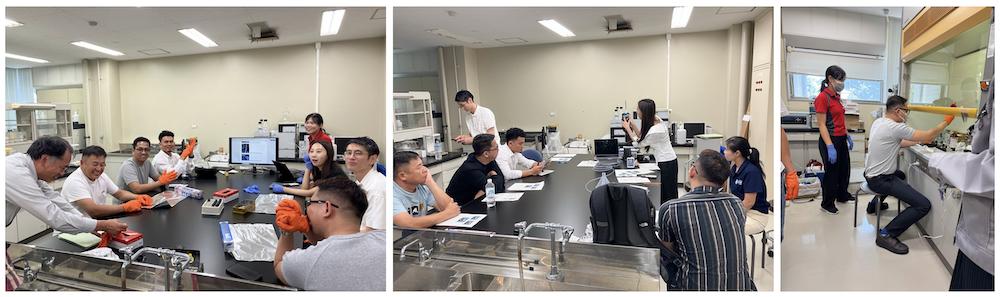
In addition to document review, participants took part in on-site demonstrations of VOC monitoring technologies, including charcoal tube sampling, passive samplers, GC/MS analysis, and interpretation of monitoring results. These hands-on activities complemented the technical discussions by allowing participants to compare practical approaches, clarify operational issues, and consider how different sampling methods can be applied under varied field conditions in each country.
.
Learning from Practical VOC Monitoring at prefectural level in Japan
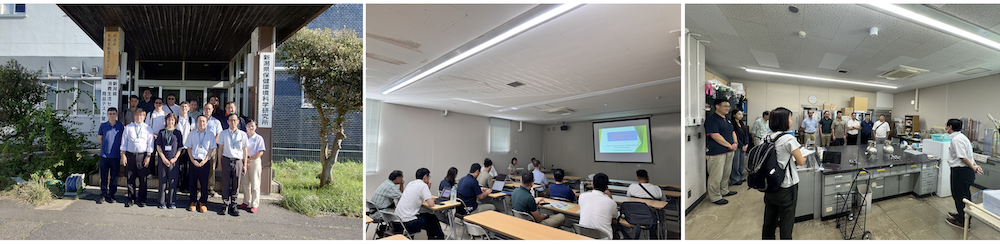
On 6 August, participants visited the Niigata Prefectural Institute of Public Health and Environmental Sciences (NIPHES) to learn how VOC monitoring is planned and implemented at the prefectural level in Japan. Through demonstrations of canister sampling, GC/MS analysis, quality assurance procedures, and field monitoring systems, participants gained practical insights into monitoring operations. The visit also provided a valuable opportunity for experts from Cambodia, the Philippines, Viet Nam, and other EANET countries to exchange experiences with NIPHES researchers and discuss how Japanese monitoring practices could support the development and strengthening of VOC monitoring programs in their own countries.
.
Open Seminar Highlights Recent VOC Research
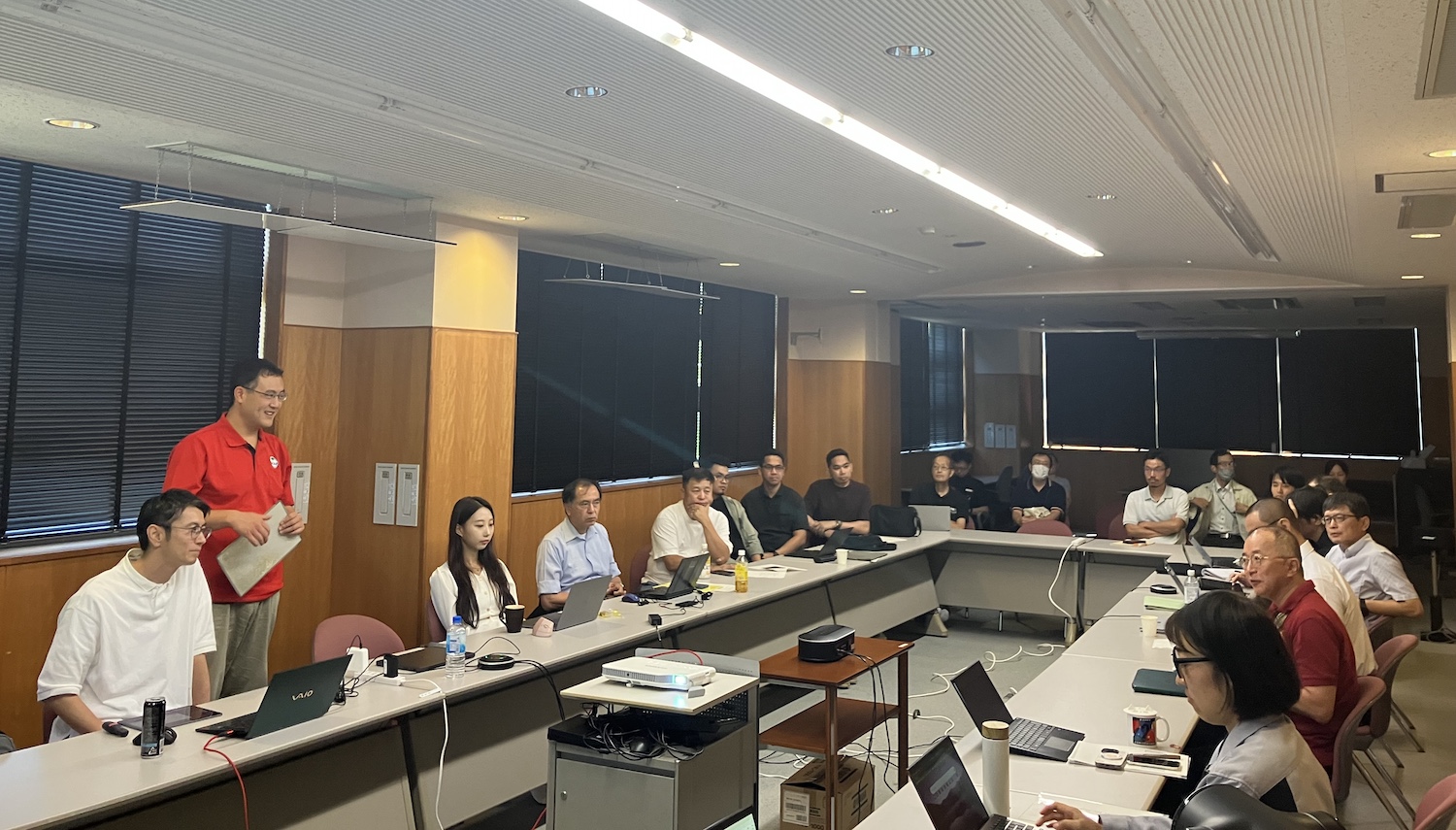
On the final day, an open seminar was organized to share recent scientific advances related to VOCs, ozone formation, and secondary organic aerosols. Four invited speakers presented studies covering field observations, airborne monitoring, data interpretation, and assessment methodologies.
Dr. Yujiro Ichikawa, a researcher from Center for Environmental Science in Saitama (CESS), Japan, presented research on biogenic VOC (BVOC) emissions in a suburban forest near Tokyo. Using tower observations and drone-based measurements, the study examined vertical and horizontal variability of isoprene emissions and compared observation results with model estimates. The research demonstrated the value of combining advanced monitoring techniques with atmospheric modeling to better understand BVOC emissions and their role in ozone and SOA formation.
Ms. Jimin Lee, a Ph.D. student at Korea University, Republic of Korea, shared results from the Asia-AQ Campaign, which used aircraft observations to investigate the distribution and transport of VOCs over Korea and the Yellow Sea. The study highlighted the influence of both local emissions and transboundary transport on air quality, demonstrating how airborne observations can provide valuable information on the three-dimensional distribution of pollutants.
Dr. Junya Hoshi, an expert from Tokyo Metropolitan Research Institute for Environment Protection, Japan, introduced research on background VOC concentrations in Japan and their implications for air quality assessment. By comparing urban and background monitoring sites, the study demonstrated the importance of considering regional and long-range transport when evaluating emission control measures and improving air quality simulations.
Prof. Hong Li, a professor from Chinese Research Academy of Environmental Sciences (CRAES), China, presented methodologies for assessing the contribution of VOCs to secondary organic aerosol formation. The presentation reviewed current approaches for estimating SOA formation potential and concentrations, highlighting the importance of combining observations, laboratory studies, and modeling to support effective air pollution management
.
Looking Ahead
The meeting concluded with appreciation for the contributions of all committee members and presenters. Participants agreed that the combination of technical discussions, practical demonstrations, and scientific exchange had significantly strengthened the development of the guidance document and enhanced regional cooperation on VOC monitoring.
Once completed, reviewed, and endorsed by the Twenty-sixth Scientific Advisory Committee (SAC26) in Malaysia on 20th – 22nd October, 2026 the technical training guidance is expected to support not only EANET Participating Countries but also other countries in improving ambient VOC monitoring capabilities, strengthening scientific understanding of ozone and particulate matter formation, and promoting more consistent monitoring practices across the region. By compiling practical experiences from countries with different monitoring environments, the guidance will also serve as an important technical reference for countries developing or strengthening national ambient VOC guidelines, standards, and monitoring protocols.
.
Find out more on the project “Capacity Building in Promoting VOCs in the EANET”
.
Photo credits: all rights reserved to the EANET.