EANET Online Workshop on the Utilization of Low-Cost Sensors for Air Quality Monitoring: Recommendations and Strategies

15 November 2024 – Niigata, Japan

The EANET Online Workshop on the Utilization of Low-Cost Sensors for Air Quality Monitoring: Recommendations and Strategies took place on 6 November 2024. Organized by the Network Center for the EANET, it gathered 152 participants, from the EANET Participating Countries and beyond, to discuss the utilization of Low-Cost Sensors (LCS) in Asia.

Opening Remarks

Dr. Fan Meng, Deputy Director General, the Asia Center for Air Pollution Research, ACAP (the Network Center for the EANET), delivered Opening Remarks. He highlighted the significance of the hybrid method which consists of using both conventional air quality sensors and LCS in addressing monitoring resource constraints. However, he emphasized that accuracy and reliability issues persist, requiring calibration, validation, and quality control to integrate LCS data effectively. He underlinied the workshop’s objectives to share LCS application insights, technical knowledge, data visualization, and discuss sustainable network opportunities within the EANET region.

Air quality monitoring by using a LCS network in the Asian region

Dr. Tomoki Nakayama, from Nagasaki University, shared a presentation on air pollution monitoring using Low-Cost Sensors, focusing on projects in India, and in the ASEAN and African regions. In collaboration with Nagoya University and others, his team measures pollutants such as PM2.5 and CO. These sensors, co-developed with Panasonic Corp., detect particles via light scattering and are effective even under diverse environmental conditions.

Dr. Justin Sentian, Universiti Malaysia Sabah, presented the deployment of LCS air quality sensors in schools, an initiative funded by UNICEF, in partnership with Malaysia’s Environmental Protection Department. These sensors, part of the Air Quality Monitoring in Schools (AQUAMS) program, aim to monitor air quality and promote environmental awareness among students. In the first phase, sensors were installed in five schools, and data on pollutants and weather conditions have been gathered.

Dr. Nguyen Viet Hoai, Vietnam National University presented the “Building Equality Monitoring Capacity in Southeast Asia” project which aims to enhance air quality monitoring in Thailand, Laos, and Viet Nam. Key goals include deploying low-cost PM2.5 sensors, raising public awareness, providing real-time data, and identifying pollution hotspots. Nearly 100 sensors have been installed across the region, supporting data analysis and empowering local authorities and communities.

Dr. Maria Obiminda Cambaliza, Ateneo de Manila University, presented IGAC-MANGO, a research initiative addressing air pollution in Southeast Asia. The project uses Low-Cost Sensors to measure PM2.5 exposure and its health impacts, particularly in high-risk groups. She also highlighted the Health Investigation and Air Sensing for Asian Pollution (Hi-ASAP) project, which started in 2019, aiming to gather data on pollution levels and health effects.

.

Report on the EANET project “Methodology Study for Development of LCS Hybrid Air Quality Monitoring Network (HAQMN)”

Dr. Akie Yuba, a Senior Researcher from ACAP, provided a report on LCS technical studies in Viet Nam and Myanmar, which were carried out as part of EANET Project Activities. In Hoa Binh, Viet Nam, five LCS units were installed, with a specific focus on PM2.5 and other parameters. In Yangon, Myanmar, LCS units, specifically GBiot and Haz Scanner, were utilized for monitoring PM2.5, O3, NO2, and meteorological data during both monsoon and non-monsoon seasons. A good correlation was observed in the data, though different values were displayed in the slopes, emphasizing the need for blackout preparedness to prevent electricity voltage fluctuations. Dr. Yuba also explained the draft contents of the guidelines for establishing HAQMN and the manual for low-cost sensor system operation.

.

Discussions on scopes and challenges for establishing a sustainable LCS monitoring network in East Asia

The panel discussion covered the various challenges and approaches to air quality management across different countries, highlighting the role of LCS in both developed and developing countries. Key questions explored during the discussion included: what are the key local air quality issues in your country? How will citizens and communities be kept informed about air quality data? Is there adequate infrastructure, such as internet and power supply, to support an LCS network?, and How do governments and local authorities intend to use data from this network for policymaking? Additionally, What funding and support will be required to ensure the sustainability of the LCS network?

The panel discussion highlighted several common challenges in air quality management. These included infrastructure and connectivity issues, particularly in developing countries where limited access to power and the internet can undermine the reliability of LCS networks. Funding and sustainability were also major concerns, as many countries depend on international financial support and technical assistance for LCS implementation. Additionally, the importance of public awareness and communication was emphasized, with some countries planning to automate alerts about high pollution levels through platforms like social media. Lastly, the panel underscored the need for regular calibration and maintenance of LCS networks to ensure data accuracy, especially in resource-constrained settings.

The panel concluded that while LCS offers affordable and scalable options for air quality monitoring, its effectiveness depends on sustained funding, accurate data calibration, and enhanced public awareness. Building regional and international collaborations remains essential for addressing air pollution in the Southeast and East Asian regions.

.

Find out more on EANET Project Fund and EANET Projects.

.

Useful Resources:

.

Photo credits: rice field at daytime by Hikarinoshita Hikari (2019).

Building Capacity for Volatile Organic Compounds (VOCs) Monitoring: EANET Successfully Concludes the 2024 Annual Meeting and Training

21 November 2024 – Niigata, Japan

In October 2024, ACAP, serving as the Network Center (NC) for the EANET successfully concluded both the Volatile Organic Compounds (VOCs) Project’s Annual Meeting and Training at the Center for Environmental Science in Saitama (CESS), Japan. The NC for the EANET is implementing the  Project Capacity Building in Promoting VOCs in the EANET, approved by the Twenty-fifth Intergovernmental Meeting (IG25) in 2023, with the financial support of the Ministry of the Environment, Japan (MOEJ).

.

EANET VOC Annual Meeting Reviews Progress and Discusses Plans for 2025

The VOCs Annual Meeting took place at the Center for Environmental Science in Saitama (CESS),  in Saitama, Japan, on October 22nd and 23rd 2024 and gathered the VOCs Advisory Group members as well as members from the Participating Countries including Cambodia, China, Mongolia, the Philippines, and Viet Nam, responsible for overseeing this project. The goal of the meeting was to review the progress to date and develop a detailed plan for 2025 focusing mainly on monitoring methods, sites, and timing.

The Annual Meeting was conducted both in-person at CESS and online. Opening remarks were delivered by Dr. Mitsuo Uematsu, President of CESS, and Dr. Toshimasa Ohara, Director General of the Asia Center for Air Pollution Research (ACAP), moderated by Dr. Meihua Zhu, Chief Senior Researcher of the Planning and Training Department of ACAP. Each Participating Country shared their project progress in 2024 and their monitoring and related capacity building plan. During the meeting, Dr. Soo Ran Won, Department of Environmental Science and Engineering, Ewha Womans University, gave a special talk entitled: a Research Introduction on the “First measurement report for Volatile Organic Compounds’ characteristics during winter in Ulaanbaatar, Mongolia”. During the Annual Meeting, participants reviewed the progress of the project’s activities in 2024 and discussed the activity plan for 2025.

.

Participants at the Annual VOCs Meeting and during the field visit to GL Sciences

.

On the second day, on October 23rd, a site survey of an VOCs’ instrument manufacturer was conducted at GL Sciences, Saitama prefecture, Japan. The site survey included an introduction to GL Sciences and to their support system, air analysis instruments, and related products. It also consisted of a laboratory tour and presentation of various equipments’ usage such as gas chromatography/mass spectrometry (GC/MS) with canister concentrator, GC-MS with thermal desorption, sampling and related tools, and air sampler for Perfluoroalkyl and Polyfluoroalkyl Substances (PFAS).

.

Highlights of the Training – VOCs Monitoring and Measurement

The Training Program for VOCs Monitoring and Measurement was held at the Center for Environmental Science in Saitama (CESS), Japan, from October 21st to 25th 2024. To conduct the training in a cost- and time-efficient manner, online lectures were provided to the trainees prior to the hands-on training in Japan. The proposed curriculum for online training consisted of three parts: a background introduction to VOCs, an introduction to VOCs’ monitoring methodologies, and an introduction to case studies on VOCs’ monitoring. Five participants from Cambodia, Mongolia, the Philippines, and Viet Nam, in charge of VOCs monitoring and lab work and part of EANET VOCs project, participated to the training. The VOCs Advisory Group members, CESS, and the NC actively provided support.

On the first two days, Mr. Kouki Sasaka, Group Reader, Atmospheric Environment Group, CESS, and Dr. Yujiro Ichikawa, Researcher, Atmospheric Environment Group, CESS, provided lectures on canister and flow controller including on canister cleaning, flow controller cleaning and flow adjustment, canister sampling, dilutor, preparation of standard gas, pre-concentrator and GC/MS. From October 24 to the afternoon of the 25th, a representative from Nishikawa Keisoku Co., Ltd. presented a lecture on standard and sample measurement (Preconcentrator-GC/MS), data analysis, and the daily maintenance of GC/MS. In the afternoon of October 25, a lecture on air sampling pumps, sorbent tubes (both active and passive), and Low-Cost Sensors was shared by a representative of Sibata Scientific Technology Ltd.  During the closing session, Dr. Akio Imai, Research Director at the CESS presented the completion certificate to the trainees on behalf of the program organizers.

.

VOCs trainees from Cambodia, Mongolia, the Philippines, and Viet Nam at the Center for Environmental Science in Saitama, and with their completion certificates

.

The successful conclusion of the VOCs Project’s Annual Meeting and Training in 2024 strengthens EANET countries’ capacity to monitor and manage VOC emissions. Through collaboration, hands-on training, and advanced monitoring technologies, the initiative sets a solid foundation for improving air quality monitoring in the region.

.

Find out more about the EANET Projects.

.

Useful Resources

.

Photo credits: all rights reserved to EANET.

Sustainable Nitrogen Management Seminar 2025 Highlights EANET’s Role in Tackling Nitrogen Pollution

20 January 2026

The Sustainable Nitrogen Management Seminar 2025 – Accumulation of Nitrogen Data in EANET was held online on December 22, 2025 bringing together 58 participants. Organized under the EANET Project Fund Activity 2025-04 by the Network Center for the EANET, the seminar focused on strengthening the accumulation, analysis, and utilization of nitrogen-related data to address growing regional and global nitrogen pollution challenges.

.

Addressing Nitrogen Beyond Planetary Boundaries

The seminar opened with remarks underscoring nitrogen as a pollutant that has transgressed planetary boundaries, posing serious risks to ecosystems, human health, and climate. Speakers referred to the 2022 United Nations Environment Assembly (UNEA) Resolution on Sustainable Nitrogen Management that calls for sustainable nitrogen management worldwide. Against this backdrop, EANET’s role as a long-term regional monitoring network in East Asia was positioned as increasingly critical for evidence-based policymaking.

Moderated by Dr. Hiroyuki Sase of the Asia Center for Air Pollution Research (ACAP), serving as the Network Center for the EANET, the session highlighted how EANET’s Medium-Term Plan (MTP) 2026–2030 places nitrogen management as one of the core objectives. Dr. Toshimasa Ohara, Director General of ACAP, emphasized that EANET’s extensive datasets on atmospheric concentration and deposition offer a strong foundation for advancing sustainable nitrogen strategies and supporting international environmental cooperation.

.

Advancing Nitrogen Monitoring Science

The technical session showcased cutting-edge research and monitoring approaches. Professor Kazuhide Matsuda from Tokyo University of Agriculture and Technology presented an assessment of atmospheric nitrogen deposition using EANET data. He drew attention to the growing significance of reduced nitrogen (ammonia) and the challenges of accurately measuring it, particularly the artifact problems associated with traditional filter-pack methods. He proposed passive samplers as a practical, cost-effective option for expanding ammonia monitoring across rural and forested areas.

Complementing this, Dr. Yongjoo Choi from Hankuk University of Foreign Studies demonstrated how CrIS satellite data, combined with in-situ measurements and machine learning bias correction, can map ammonia concentrations with high spatial and temporal resolution. His findings revealed elevated ammonia levels over agricultural and livestock-intensive regions in Republic of Korea, especially during summer, illustrating the value of integrating satellite and ground-based observations.

.

Focus on Ammonia and Deposition Complexity

A major discussion theme was the complexity of ammonia (NH₃) deposition, particularly its bidirectional exchange between the atmosphere and ecosystems. Depending on environmental conditions, ammonia can be either deposited or re-emitted, complicating net flux estimates. Participants stressed the need for improved models, enhanced measurement techniques, and hybrid data approaches to better understand ammonia’s ecological impacts.

.

Strengthening Collaboration for the Future

In closing, Dr. Fan Meng, Deputy Director General of ACAP, thanked the speakers and participants for their active engagement. The seminar concluded with a shared understanding that enhanced monitoring, innovative data analysis, and international collaboration will be essential for managing reactive nitrogen pollution effectively across the EANET region.

.

Find out more about the EANET Project Fund.

.

Useful Resources:

Event Summary

-Presentations:

.

Photo credits: Japan (2019) by Nomadic Julien.

Joint SATREPS–EANET Training Advances PM2.5 Source Apportionment Capacity in Cambodia

15 January 2025

From 1–5 December 2025, EANET and the Japanese Science and Technology Research Partnership for Sustainable Development (SATREPS) jointly organized a five-day hybrid training program focused on PM2.5 chemical analysis and source apportionment techniques, in Niigata, Japan to support air quality monitoring in Cambodia and in Southeast Asia. The initiative, supported by the Japan International Cooperation Agency (JICA SATREPS) and the EANET Project Fund (Project 2025-01), gathered seven Cambodian researchers and government officials, as well as experts from Kanazawa University and Nagasaki University. A total of 232 participants joined onsite and online.

 .

Strengthening Monitoring and Analysis for Southeast Asia

Opening on 1 December, the training took place in Niigata, Japan, at the Asia Center for Pollution Research (ACAP), serving as the Network Center for the EANET. The training started with an introduction to the ongoing AIR-SATREPS project “Establishment of a Risk Management Platform for Air Pollution in Cambodia”, implemented by Kanazawa University with the Institute of Technology of Cambodia. The project aims to reinforce air monitoring infrastructure, establish analytical capacity for particulate matter, and support local practitioners in managing air pollution challenges.

EANET’s Network Center provided additional context on regional cooperation and emerging priorities, including VOCs monitoring, and the newly adopted Medium-Term Plan for the EANET (2026–2030).

 .

Hands-On PM2.5 Components Training

On 2–3 December, participants took part in onsite laboratory sessions on inorganic ion analysis using PM2.5 roll tape samples. Lectures and demonstrations from Nagasaki University and the EANET Network Center emphasized Ion Chromatography (IC) procedures and data processing. The training also focused on Quality Assurance and Quality Control (QA/QC) to improve the precision of analytical outputs, an essential step for source apportionment studies.

 .

Applying the PMF Method for Source Apportionment

On 3–4 December, participants explored the Positive Matrix Factorization (PMF) modeling technique, used globally to identify air pollution sources from particulate matter data. Practical exercises guided trainees through model installation, running simulations with demonstration datasets, and matching factor profiles with known emission indicators. Case studies from Japan, Thailand, and Viet Nam illustrated how PMF analysis informs air quality management policies in the region.

 .

Broader Insights: Haze Detection and VOCs Monitoring

The final day featured lectures on haze prediction technologies, including satellite observation, emission inventories, and Chemical Transport Models. A session on EANET’s Volatile Organic Compounds (VOCs) monitoring project showcased measurement methods and initial results from field studies in Mongolia, the Philippines, and Cambodia, with plans to develop technical guidance for VOCs monitoring in the EANET countries in the near future.

.

Find out more about the EANET Project Fund.

.

Useful Resources:

-Read the training summary

– Read the Procedures for PMF Analysis

-Read the Lecture of Methodology of PMF analysis / Practice of PMF analysis using demo data

.

Photo credits: cover photo by Daniel Bernard (2020); other photos: all rights reserved to EANET.

Considering Volatile Organic Compounds Emission Inventories and Their Policy Implications: Insights from the EANET Workshop in 2024

20 March 2025 – Bangkok, Thailand

The Network Center for the EANET organized a virtual workshop on the Emission Inventory of Volatile Organic Compounds (VOCs) and its Application for Policy Consideration on December 4, 2024. The workshop consisted of two sessions: expert lectures and participant presentations. The first session covered key topics such as the importance of developing an emission inventory for atmospheric environmental management, methodologies to estimate VOCs’ emissions from stationary sources, the transportation sector, and biogenic sources. It also included air quality modeling of VOCs and control measures for VOCs. Participants shared the status of VOCs management in their respective countries and discussed ideas for EANET’s involvement in addressing VOCs’ issues. Approximately 60 participants attended the workshop.

.

Exploring Emission Inventory Methodologies and Applications: Insights from Experts

Dr. Jun-ichi Kurokawa, from the Asia Center for Air Pollution Research serving as the Network Center for the EANET, delivered a lecture on the introduction of emission inventories, focusing on their roles in managing atmospheric environmental issues and the basic methodology to develop an emission inventory, particularly for Volatile Organic Compounds (VOCs) emissions from stationary sources. The presentation began by highlighting the necessity and framework of air quality management, emphasizing the importance of VOCs and emission inventories. For methodologies, general procedures to develop emission inventories were explained, following the process flow of the development from defining the scope and structure to create emission tables and gridded data. Next, the methodology for estimating VOCs emissions from stationary sources was presented. This included details of sector categories, examples of fugitive emissions characteristics of VOCs sources, collecting and setting activity data, emission factors, removal efficiencies, speciation to components, and calculating emissions to create final products. References for methodologies to develop emission inventories were also introduced.

Dr. Tazuko Morikawa from the Japan Automobile Research Institute delivered a lecture on the methodology for estimating emissions from road transport. The lecture began with an overview of global changes in passenger cars and heavy duty vehicles, including electrification targets for passenger cars aimed at mitigating both climate change and air pollution. Next, the necessary information for developing emission inventories for the road transport sector was detailed. This included characteristics of gasoline and diesel vehicles, methods for calculating tail pipe emissions, the definition and estimation of evaporative emission from gasoline vehicles (which are particularly important for VOCs), and component species of VOCs in emissions from the road transport sector. Finally, bioethanol-blended fuels originally introduced to mitigate climate change were discussed due to their impact on air pollutants emissions.

.

Screenshot of some participants during the Workshop

.

Dr. Justin Sentian, from Universiti Malaysia Sabah, Malaysia, delivered a lecture on VOCs emissions from biogenic sources. Biogenic VOCs (BVOCs) are organic compounds emitted by plants and other biological sources. Although these are natural sources, the importance of BVOCs was highlighted due to their strong impact on the formation of ozone and secondary PM2.5. Understanding the contribution of BVOCs is essential for developing effective policies to control anthropogenic VOCs emissions. The lecture also covered the recent status of BVOCs emissions and case studies for Southeast Asia, including future simulations under different climate scenarios. Since BVOCs emissions are significantly influenced by temperature, climate change impacts BVOCs emissions, which in turn affects ozone and PM2.5 concentrations.

Dr. Satoru Chatani from the National Institute for Environmental Studies presented a lecture on the air quality modeling of anthropogenic VOCs. The lecture began by introducing the necessities and roles of air quality simulations for VOCs, which help understand complex physical and chemical processes, including non-linear relationships among NOx, VOCs, and ozone. Next, the treatment of VOCs and their photochemical reactions was explained, including popular chemical modules and VOCs speciation used in air quality models. Application methodologies of air quality models to analyze VOCs issues were then introduced, covering validations and evaluations of simulated results based on monitoring data. This highlighted the importance of monitoring of VOCs and their components. It was emphasized that air quality modeling is essential for developing effective strategies to suppress ambient concentrations of secondary pollutants.

Dr. Shinichi Yonemochi from the Center for Environmental Science in Saitama delivered a lecture on control measures of VOCs using the case of Saitama Prefecture of Japan. The lecture began with an overview of the current and historical backgrounds of Saitama Prefecture focusing on the status of ozone pollution. Regulations of VOCs in Saitama Prefecture, including legal measures and voluntary actions by companies to reduce VOCs were explained.

Next, trends in VOCs emissions from major sources in Saitama Prefecture were presented to demonstrate the effects of these regulations. Examples of actual control measures were introduced, includingVOCs’ emission control techniques, VOC measuring instruments, and experiences using them in various applications such as for outdoor painting and the cleaning process for printing machines.

 .

Addressing the Status and Issues of VOCs: Perspectives from Participants

During the second session, participants exchanged information on VOCs related issues in their countries, including the general status of air quality, specific topics such as the management of the petrochemical industry, and the progress and challenges in developing VOCs emission inventories. As in previous workshops, many countries identified the continuous enhancement of national emission inventories as a challenge and expressed the desire for additional EANET projects focusing on capacity-building activities. Suggestions included not only webinars but also on-site training courses for major source categories of the emission inventory. The Network Center for the EANET, as the workshop organizer, will assess potential future activities through the EANET Project Fund.

.

Find out more about the EANET Project Fund.

.

Useful Resources

.

Photo credits: aerial photography of interlocking freeways with travelling cars by Ed 259 free of copyrights (2017); other pictures: all rights reserved to EANET.

Highlights of the EANET Online Seminar on Particulate Matter and Haze in Southeast Asia

12 February 2025 – Niigata, Japan

The EANET Online Seminar for Particulate Matter Problems including Haze in Southeast Asia took place on 20 December 2024. Organized by the Network Center for the EANET, it gathered 88 participants, from the EANET Participating Countries and beyond, to discuss the various effects of PM/Haze pollution on ecosystems and human health.

.

Opening Session

Prof. Fan Meng, Deputy Director General, of the Asia Center for Air Pollution Research, ACAP (the Network Center for the EANET), delivered the Opening Remarks. He highlighted the need for integrated approaches to address shared challenges, particularly in cooperation between EANET and the ASEAN Agreement on Transboundary Haze Pollution (AATHP).

Mr. Bert Fabian, Coordinator of the Secretariat for the EANET delivered the Welcome Remarks. He emphasized the importance of understanding pollution sources, meteorological influences, and the need for collaborative efforts among scientists, government officials, and intergovernmental bodies like ASEAN to mitigate this problem.

 .

Effects of Particulate Matter (PM) in the Atmospheric Environment in East Asia

Mr. Wiraditma Prananta, from the Environment Division at the ASEAN Secretariat highlighted ASEAN’s commitment to addressing transboundary haze pollution through the Second ASEAN Haze-Free Roadmap 2023–2030. He outlined the historical impacts of haze pollution, ASEAN’s adoption of the ASEAN Agreement on Transboundary Haze Pollution (AATHP), and the development of successive haze-free roadmaps, with the current one aiming to eliminate haze by 2030 through strategies such as sustainable land management and enhanced monitoring. The roadmap emphasizes regional and subregional activities, sustainable peatland management, and a haze knowledge portal while addressing challenges such as resource mobilization and root causes of fires. Mr. Wiraditma Prananta concluded with a call for collaboration among stakeholders to achieve a haze-free region and improve environmental and air quality standards by 2030.

Mr. Zhong-Yi Chia, from the ASEAN Specialized Meteorological Centre (ASMC) explained the small haze dispersion modeling efforts at ASMC, focusing on the integration of fire hotspot emissions, weather forecasts, and observational data to predict haze spread. He highlighted the challenges of modeling in the tropical region, such as thick cloud cover, transient weather phenomena, and limited ground observation coverage, while detailing the use of tools such as the United Kingdom’s Met Office’s Numerical Atmospheric-dispersion Modelling Environment (NAME) model and wildfire emission estimations based on fire radiative power and land cover maps.

Dr. Eric Zusman, from the Integrated Sustainability Centre, Institute for Global Environment Strategies (IGES) focused on addressing haze pollution in Southeast Asia, emphasizing the need for multi-level and multi-stakeholder solutions, particularly through the implementation of a roadmap running from 2023 to 2030. The roadmap includes nine strategies targeting PM2.5 pollution and haze episodes, aligning with the World Health Organization’s air pollution standards and promoting evidence-based, integrated approaches tied to climate, biodiversity, and development goals. Key challenges to implementing solutions, such as open burning restrictions, stem from social, institutional, economic, and technological barriers. He advocated for enabling environments, awareness programs, and innovative governance models to overcome these barriers, leveraging both cooperative and competitive frameworks for scaling effective solutions.

Panelists from the EANET Online Seminar on Particulate Matter and Haze in Southeast Asia

.

Overview of the Scientific Knowledge on PM Pollution in Other Regions

Dr. Jan Eiof Jonson from the Meteorological Synthesizing Centre-West of EMEP (MSC-W of EMEP), Norwegian Meteorological Institute, focused on the Convention on Long-Range Transboundary Air Pollution under United Nations Economic Commission for Europe (UNECE), addressing environmental challenges such as acid deposition, air pollution, and wildfire impacts. He highlighted the establishment of monitoring centers across Europe and North America to track emissions, pollutants such as PM 2.5, and their transboundary effects. Pollution reduction trends, driven by legislation, are noted, though discrepancies in reporting and uncertainties remain. Satellite data and emission datasets including the Global Fire Assimilation System (GFAS) and FINN v2.5 are utilized for monitoring wildfire emissions and assessing their effects on air quality and climate. Key challenges include differences in emission estimates, injection heights, fire radiative power, and regional variability. He stressed the need for global collaboration and further refinement in modeling to support effective policy development, particularly in Europe.

.

Closing Session

Dr. Toshimasa Ohara, Director General of ACAP, delivered the Closing Remarks. He emphasized the importance and common challenge for all countries in Southeast Asia to gain a better understanding of the status of PM health pollution and to explore the best solutions to reduce it. He concluded by expressing hope that this workshop would be a good opportunity to strengthen collaboration between EANET and the ASEAN.

.

Find out more on EANET Project Fund and EANET Projects.

.

Useful Resources:

 .

Photo credits: featured image by Michael Chacon (2019); all other images: all rights reserved to EANET.

Collaboration in Action: NIER and EANET Wrap Up Session 2 of their 2025 Air Quality Training

SeptemberOctober 2025, Republic of Korea and Japan

Four government officials and researchers from China, the Philippines, Russia, and Thailand completed an intensive, capacity-building program on acid deposition and air quality management. Co-organized by EANET and the National Institute of Environmental Research (NIER), Republic of Korea,  the Technical and Training (TNT) and Capacity Building Program aimed to strengthen technical expertise among the EANET Participating Countries.

.

Advanced Technical Training in Republic of Korea

The first part of the program took place in Republic of Korea from September 25 to October 2, 2025. At NIER in Incheon, participants were introduced to the institute’s mission and work on environmental protection and public health. Visits to key institutions included Seoul National University (SNU), the Jeju Island Air Quality Research Center, the Ulsan National Institute of Science and Technology (UNIST), the National Air Emission Inventory Research Center (NAIR), and the Environmental satellite Center(ESC).

“The part I found most engaging was learning how NIER and NAIR integrate satellite monitoring, emission inventories, and national policies to reduce PM concentrations. I found it interesting to see how advanced technology is practically applied to support evidence-based policymaking.”

A comment from a trainee

Participants in the Republic of Korea

At SNU, trainees received instruction in air filter sampling and analysis techniques. During their visit to the Jeju Center, they learned about the history and role of the center, the air quality monitoring network, data management, equipment, and emission inventory. At UNIST, the focus shifted to research on air quality monitoring and satellite-ground validation studies. At NAIR, trainees learned how air emissions data from various sources is compiled to support environmental policy and compliance. Finally, at ESC, they gained insight into how GEMS satellite data enhances real-time and regional air quality monitoring, as well as data integration techniques that combine emissions, satellite observations, and modeling.

“I was particularly interested in the advanced monitoring of both particulate and gaseous pollutants. Understanding how these measurements can be applied to identify pollution sources and track air quality trends made this part of the training very relevant and engaging.”

A comment from a trainee

I didn’t know about GEMS and Pandora before. The visit helped me to learn about GEMS and Pandora – satellite systems used for air quality observation. This helped me understand how satellite data can support ground monitoring.

A comment from a trainee

.

Immersive Training in Japan

From October 6 to 10, 2025, the training continued in Japan.

At the Asia Center for Air Pollution Research (ACAP), participants engaged in various studies covering topics such as Atmospheric Deposition, Filter Pack and Wet Deposition Monitoring, and Ion Chromatography (IC). They attended lectures on atmospheric deposition, conducted EC and pH measurements for wet samples, and maintained equipment including rain samplers, PM2.5 analyzers, and ozone calibrator. Additionally, they performed IC measurements for both wet and dry samples and carried out data checks for reference and low-cost sensors.

“I found it most interesting to learn about EANET and ACAP’s role in coordinating air quality monitoring across participating countries. The training highlighted how the network enables countries to share data, standardize methods, and collaborate on addressing transboundary air pollution. It was interesting to see how regional cooperation strengthens scientific capacity and policy making in each member country.”

A comment from a trainee

 “I was particularly interested in the session on Low-Cost Sensor (LCS) monitoring, as it was impressive to learn how LCS technology can complement conventional monitoring stations by expanding spatial coverage and providing more localized air quality data. Additionally, the short lecture on automatic monitor maintenance for PM2.5 was highly insightful—it emphasized the importance of proper calibration, routine checks, and maintenance to ensure data accuracy and instrument reliability, which are vital for continuous and dependable air quality monitoring across participating countries.”

A comment from a trainee

Participants in Japan

.

Sharing Knowledge Across the Region

 Feedback after the training indicated that all participants found the program in both the Republic of Korea and Japan to be extremely valuable. It is anticipated that the knowledge and experiences gained will be shared with colleagues through seminars, lectures, or study meetings in their home countries. This sharing is expected to contribute to the development of skills in air quality management throughout the EANET region.

“I plan to utilize the knowledge and skills I gained from the NIER and ACAP trainings by applying them directly to my work in the operation and maintenance of PM2.5 and wet deposition samplers, as well as in Ion Chromatography (IC) and mass concentration analysis (if possible). The training enhanced my understanding of data quality assurance, calibration, sensor comparison, and the integration of satellite and ground-based data. I intend to apply these learnings in improving the accuracy and reliability of our air quality monitoring activities, particularly in our EANET monitoring sites, and to share this knowledge with colleagues through technical discussions and capacity-building initiatives within our laboratory.

A comment from a trainee

.

Supporting Regional Cooperation

 The 2025 TNT and EANET Capacity Building Program was approved as a Project Activity at the Twenty-sixth Session of the Intergovernmental Meeting on the EANET in November 2024. It was co-funded by the EANET Project Fund and the Republic of Korea, representing a continued commitment to regional cooperation in environmental protection.

.

Find more about the EANET Project Fund.

.

View more photos on Flickr.

.

Photo credits: all rights reserved to EANET.
NIER and EANET Wrap Up Session 1 of the 2025 Training on Air Quality Management

5 May 2025, Japan and the Republic of Korea

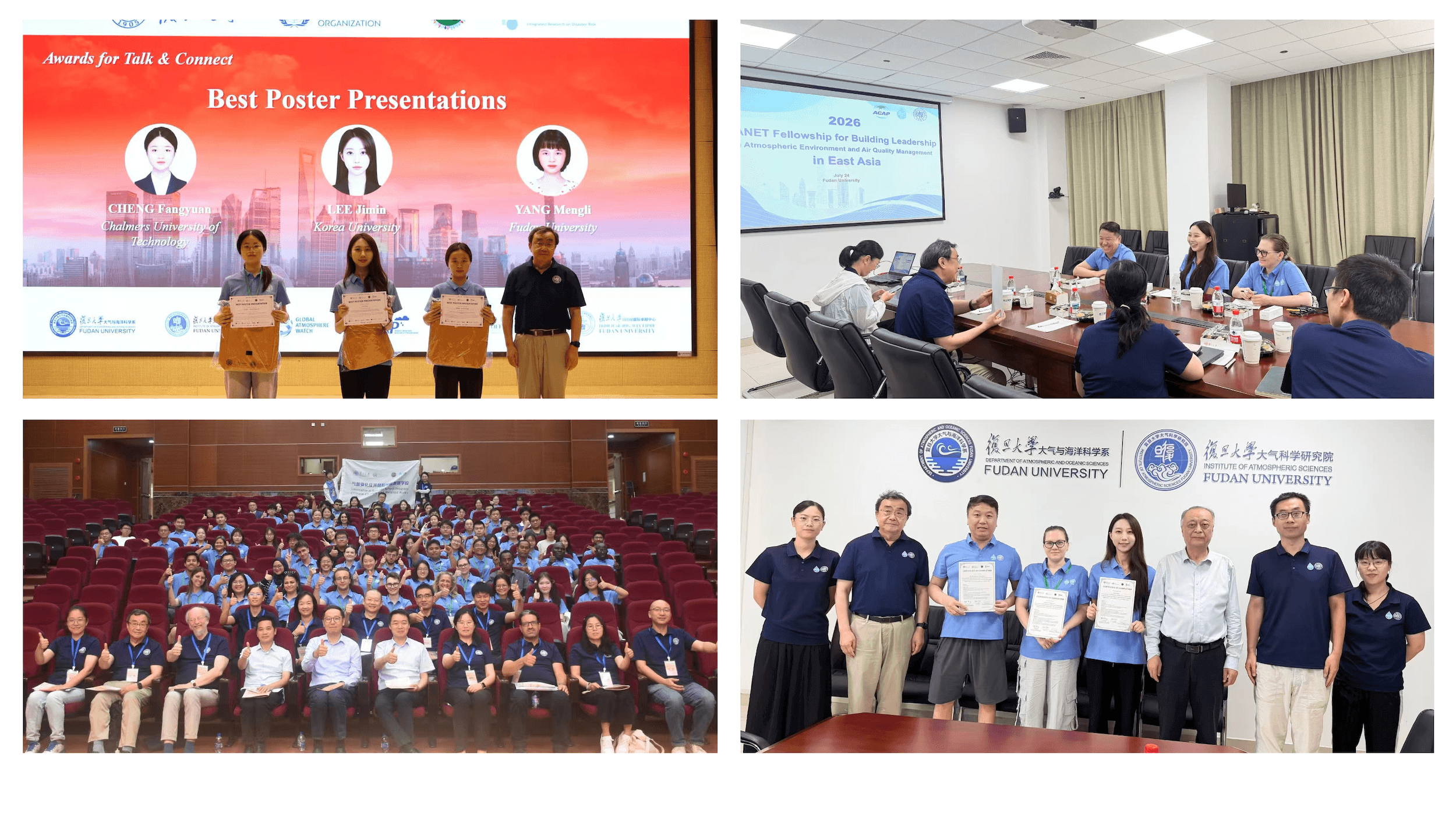
Four government officials and researchers from Cambodia, Lao PDR, Malaysia, and Mongolia completed an intensive, capacity-building program on acid deposition and air quality management. Co-organized by EANET and the National Institute of Environmental Research (NIER), Republic of Korea,  the Technical and Training (TNT) program aimed to strengthen technical expertise among EANET Participating Countries.

.

Immersive Training in Japan

The first part of the program began in Japan from April 14 to 18, 2025. At the National Institute for Environmental Studies (NIES) in Tsukuba, trainees were introduced to advanced research facilities, including the atmospheric chamber and lidar system. Lectures covered various topics such as oceanic observation networks, Fourier-transformed infrared spectrometry (FTS), and chemical ionization mass spectrometry (CI-MS).

.

Participants in Japan during Session 1 of the TNT training in April 2025

.

At the Asia Center for Air Pollution Research (ACAP), participants studied topics including the ecological effects of atmospheric deposition, QA/QC activities in EANET, and the Inter-laboratory Comparison Project. Training also covered monitoring of soil, vegetation, and aquatic environments, and included a site visit to the Niigata city monitoring station to observe practical applications in air quality monitoring.

“Visiting the Niigata Monitoring Site and the Niigata Prefecture office provides an excellent opportunity to learn about local air quality monitoring and environmental management practices. The monitoring site offers hands-on experience in collecting and analyzing real-time air quality data, while the Prefecture office provides insight into how data is used to inform policy decisions and pollution control strategies at the regional level. This combined knowledge will be valuable for improving air quality management and implementing effective environmental policies in my country.”

A comment from a trainee

.

Advanced Technical Training in Korea

From April 21 to May 2, 2025, the training continued in the Republic of Korea. At NIER in Incheon, participants were introduced to the institute’s mission and work on environmental protection and public health. Visits to key institutions included Seoul National University (SNU), the Ulsan National Institute of Science and Technology (UNIST), the National Air Emission Inventory Research Center (NAIR), the Han River Environmental Research Center, and the Jeju Island Air Quality Research Center.

“The cruise ship tour on the Bukhan River was a memorable experience, allowing me to enjoy the natural scenery, observe the habitat of black birds, and learn how the river’s water quality is measured.”

A comment from a trainee

.

Participants in Republic of Korea during the Session 1 of the TNT training in April-May 2025

.

At SNU, trainees received instruction in air filter sampling and analysis techniques. At UNIST, the focus was on international research collaboration and satellite monitoring validation. At NAIR, they learned how air emissions data from various sources is compiled to support environmental policy and compliance. The Jeju Center visit introduced trainees to remote sensing and high-precision instruments for monitoring air pollutants such as particulate matter, ozone, and sulfur compounds.

“The National Air Emission Inventory and Research Center (NAIR) of Korea is highly valuable for my capacity building because it leads in the systematic collection, analysis, and management of national air emissions data, which directly supports evidence-based air quality policies. As a professional in Air Quality, Noise, and Vibration, learning from NAIR’s advanced emission inventory system, modeling tools, and data validation methods would significantly enhance my technical skills and support the development of more accurate and effective air quality strategies in my country.”

A comment from a trainee

 .

Sharing Knowledge Across the Region

According to post-training feedback, all participants found the program in both Japan and the Republic of Korea to be highly valuable. It is expected that the experience and knowledge gained will be shared with colleagues through seminars, lectures, or study meetings in their home countries, contributing to capacity building in air quality management across the EANET region.

“The discussion on the challenges faced by each country regarding the main sources of environmental pollution is an important matter, as it provides participants with the opportunity to share their views, experiences, and suggestions based on their respective national contexts. This allows for a deeper understanding of regional pollution issues and paves the way for more effective collaboration and solutions through platforms such as EANET.”

A comment from a trainee

.

Supporting Regional Cooperation

 The 2025 TNT and EANET Capacity Building Program was approved as a Project Activity at the Twenty-sixth Session of the Intergovernmental Meeting on the EANET in November 2024. It was co-funded by the EANET Project Fund and the Republic of Korea, representing a continued commitment to regional cooperation in environmental protection.

.

Find more about the EANET Project Fund.

.

View more photos on Flickr

.

Photo credits: all rights reserved to EANET.
The Second Session of the Technical and Training Capacity Building Program in 2024

6 February 2025 – Niigata, Japan

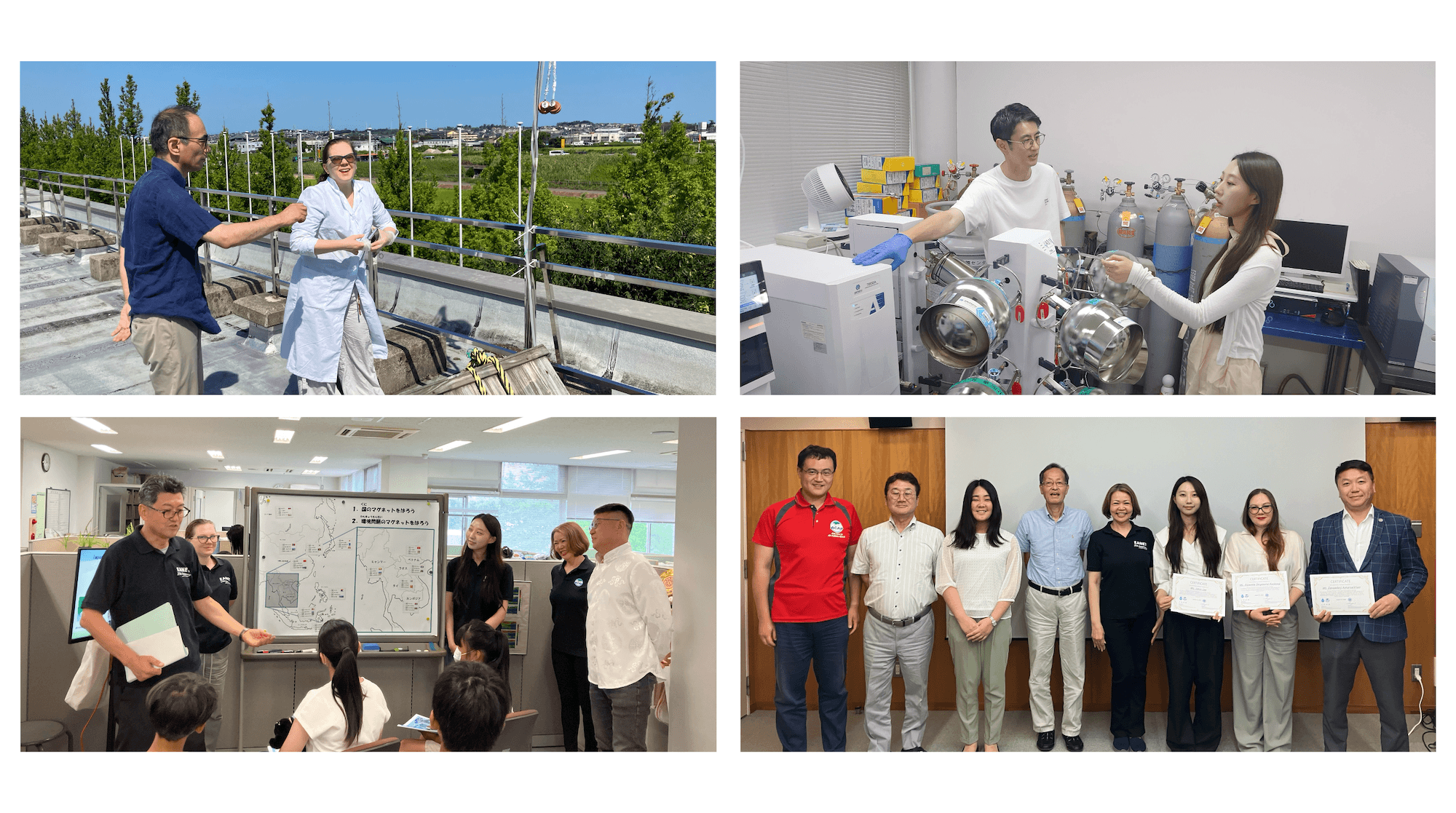
The Technical and Training (TNT) program of the National Institute of Environmental Research (NIER), Republic of Korea, and the EANET Capacity Building Program have been collaborating since 2023 to provide training on acid deposition and air quality management for the EANET Participating Countries. The second session of the program was held in Japan and the Republic of Korea in September and October 2024, offering training to four government representatives from the EANET Participating Countries.

.

NIER’s TNT and EANET’s Capacity Building Program Session 2 in September-October 2024

In 2024, the program was structured into two sessions, each comprising two parts, alternating between the Republic of Korea and Japan. The second session started in Japan from September 30 to October 4, 2024, followed by the Republic of Korea from October 7 to October 18, 2024. Four government officials and researchers from four EANET Participating Countries (China, Indonesia, Malaysia, and Viet Nam) were selected to participate in this training, based on their professional backgrounds, technical expertise in monitoring activities, and motivation.

From late September to early October in Japan, at the Asia Center for Air Pollution Research  (ACAP) in Niigata, EANET’s Network Center, participants attended lectures covering a wide array of atmospheric environmental issues. The trainees also learned about the mechanisms and processes of atmospheric deposition, including wet and dry deposition, QA/QC activity, calculation of the deposition flux and so on.  Furthermore, participants learned about the monitoring equipment and how the data contribute to the air quality assessments. In the hands-on training, they learned the procedures for assembling filter packs to ensure accurate sampling, EC/pH analysis for rain samples, and the process of analysis using ion chromatography for the rain and filter pack samples including preparing standards solutions. By using ion chromatography, participants learned basic troubleshooting skills to avoid issues while handling and conducting analyses. Finally, participants visited the monitoring site in Niigata city, stationed in the Niigata prefecture office, where the telemeter system is located. During this visit, participants gained practical insights into how air quality monitoring is conducted in Niigata prefecture and learned about the challenges and real-world applications of air quality monitoring in a local context including costing and operations.

.

The four EANET trainees during the TNT and EANET Capacity Building Program in Niigata in September-October 2024

.

From early to mid-October, participants travelled to the Republic of Korea and underwent comprehensive training at the National Institute of Environmental Research (NIER) in Incheon. During this training, lecturers presented the primary responsibilities and mission of NIER related to environmental protection and public health in the Republic of Korea. The trainees also visited several key institutions, including the Atmospheric Environment and Climate Change Laboratory at Seoul National University (SNU), the Ulsan National Institute of Science and Technology (UNIST), the National Air Emission Inventory Research Center (NAIR), the Han River Environmental Research Center, and the Jeju Island Air Quality Research Center. At SNU, the trainees learned about filtering and sampling techniques, filter extraction, and mass concentration measurement, as well as the analysis of microelements using methods like X-ray fluorescence (XRF) and organic carbon/elemental carbon (OC/EC) analysis. They gained practical experience in conducting these analyses during hands-on laboratory sessions. At UNIST, they attended lectures on international research collaboration related to air quality, research instruments and tools for air quality analysis, and methods for validating satellite monitoring techniques. During their visit to NAIR, the trainees learned how the center compiles and manages data on pollutants from various sources, including industries, vehicles, and natural phenomena. This data supports air quality policies, regulations, and compliance assessments. The trainees also visited the Han River Environmental Research Center, where they explored the technologies and methods used to safeguard the environment of Paldang Lake. They delved into achievements in water quality monitoring, including analyzing the root causes of pollutants and studying biological indicators. Finally, they visited NIER’s Jeju monitoring station, where they learned about the use of advanced instruments and techniques, including high-precision analyzers and remote sensing tools. These instruments are employed to study air pollutants like particulate matter, ozone, and sulfur compounds, along with their sources and transport patterns.

.

The four EANET trainees during the TNT and EANET Capacity Building Program in Seoul, Ulsan, and Incheon in October 2024

.

.

Enhancing Expertise in the EANET Participating Countries

The training’s feedback survey indicated that all participants found the program in Japan and the Republic of Korea to be highly valuable. It is anticipated that the experience and knowledge gained will be disseminated to colleagues in their respective countries through seminars, lectures, or study meetings, further enhancing expertise in air quality management in the EANET Participating Countries.

The TNT and EANET Capacity Building Program in 2024 was approved at the Twenty-fifth Session of the Intergovernmental Meeting on the EANET (IG25) in November 2023 as a Project Activity, co-funded by the EANET Project Fund and the Republic of Korea.

.

Find out more about the EANET Project Fund.

.

.Photo credits: all rights reserved to EANET.

The First Session of the Technical and Training Capacity Building Program in 2024

The First Session of the Technical and Training Capacity Building Program in 2024_group photo

31 July 2024, Niigata, Japan

The Technical and Training (TNT) program of the National Institute of Environmental Research (NIER), Republic of Korea, and the EANET Capacity Building Program have been collaborating since 2023 to provide training on acid deposition and air quality management for the EANET Participating Countries. The first session of the program was held in the Republic of Korea and Japan in April and May 2024, offering training to four government representatives from the EANET Participating Countries.

 .

Background

Since 2002, the EANET has trained over 200 government officials and researchers on acid deposition and air quality management through its individual training and capacity-building activities conducted mainly at the Asia Center for Air Pollution Research  (ACAP) in Niigata, Japan, which hosts the Network Center for the EANET.

The National Institute of Environmental Research  (NIER), part of the Ministry of Environment in the Republic of Korea, was established in 1978. It serves as the country’s primary research institution for various environmental aspects. NIER is based in Incheon and operates 12 air quality monitoring stations and 4 river research centers. The institute conducts extensive research and policy development on environmental health, climate, air quality, water resources, and energy, and collaborates on international projects aimed at global environmental protection.

 .

NIER’s TNT and EANET’s Capacity Building Program Session 1 in April-May 2024

In 2024, the program was structured into two sessions, each comprising two parts, alternating between the Republic of Korea and Japan. The first session started in the Republic of Korea from April 28 to May 11, 2024, followed by Japan from May 11 to May 18, 2024. Four government officials and researchers from four EANET Participating Countries were selected to participate in this training, based on their professional backgrounds, technical expertise in monitoring activities, and motivation.

From late April to early May, in the Republic of Korea, participants first underwent comprehensive training at the National Institute of Environmental Research (NIER) in Incheon, where lecturers presented their primary responsibilities, ongoing projects, and the specialized tools and instruments utilized in their divisions. Additionally, the trainees visited the Atmospheric Environment and Climate Change Laboratory at Seoul National University (SNU) and Ulsan National Institute of Science and Technology (UNIST). During their visit to SNU, they learned about filtering and sampling, filter extraction and mass concentration measurement, and analysis of microelements (XRF, OC/EC). In the laboratory hands-on section, they gained practical experience in conducting analyses. At UNIST, lectures on international research collaboration on air quality, research instruments and tools for analyzing air quality, and method validation of satellite monitoring were delivered. The trainees also explored NIER’s Jeju monitoring station and the National Air Emission Inventory and Research Center (NAIR) under the Ministry of Environment of the Republic of Korea. At these locations, they learned about the Republic of Korea’s policies and strategies for managing air pollution, extensive monitoring, analysis, and forecasting of air pollutant sources.

.

The First Session of the Technical and Training Capacity Building Program in 2024_ROK
The four EANET trainees during the TNT and EANET Capacity Building Program in Seoul, Osong, and Ulsan (Republic of Korea) in April-May 2024.

.

During the second week of May, in Japan, participants visited the National Institute for Environmental Studies (NIES) in Tsukuba City, where they received briefings and lab tours in the Climate Change Research Hall. The trainees were also introduced to the atmospheric chamber and lidar system. They received lectures on the Earth System Division (ESD), and observations of NO2 and greenhouse gases (GHG) using stationary and mobile networks. While at the Asia Center for Air Pollution Research (ACAP) in Niigata, EANET’s Network Centre, participants attended lectures covering a wide array of atmospheric environmental issues, including the ecological impacts of atmospheric deposition and air pollution in Europe, the USA, and Asia. The training also covered methods for monitoring soil, vegetation, inland aquatic environments, and catchment areas. Furthermore, participants learned about quality assurance and quality control (QA/QC) activities in EANET, data reporting procedures, the Inter-laboratory Comparison Project, the analysis of EANET monitoring data (including from the Periodic Report on the State of Acid Deposition in East Asia (PRSAD)), and an introduction to emission inventories and air quality modeling. They also received an introduction to Air Quality Monitoring Systems Using Low-Cost Sensors (LCS). Finally, participants visited the EANET Niigata-Maki monitoring site. During this visit, participants had the opportunity to observe wet-only samplers (both weekly and daily), the filter pack system, automatic monitors for SO2, NOx, O3, PM2.5, and PM2.5 components, as well as meteorology monitors. This visit provided participants with hands-on practice using field equipment for air quality monitoring.

.

The First Session of the Technical and Training Capacity Building Program in 2024_Japan
The four EANET trainees during the TNT and EANET Capacity Building Program in Niigata, Tsukuba City, and at the Niigata-Maki monitoring station (Japan) in May 2024.

.

Enhancing Expertise in the EANET Participating Countries

The training’s feedback survey indicated that all participants found the program in the Republic of Korea and Japan to be highly valuable. It is anticipated that the experience and knowledge gained will be disseminated to colleagues in their respective countries through seminars, lectures, or study meetings, further enhancing expertise in air quality management in the EANET Participating Countries.

.

The second session of the Technical and Training Capacity Building Program will be held in Japan and the Republic of Korea in September and October 2024.

.

The TNT and EANET Capacity Building Program in 2024 was approved at the Twenty-fifth Session of the Intergovernmental Meeting on the EANET (IG25) in November 2023 as a Project Activity, co-funded by the EANET Project Fund and the Republic of Korea. Find out more about the EANET Project Fund.

.

View more photos of the TNT Capacity Building program session 1 on Flickr.

.

Photo credits: all rights reserved to EANET.