Understanding Air Pollution in Indonesia: Science, Monitoring and Solutions for Cleaner Air
8 October 2026
The EANET National Stakeholder Awareness Workshop, “Understanding Air Pollution and its Sources, Weather, Climate, and Topography in Indonesia,” brought together policymakers, researchers and technical experts to discuss air pollution monitoring, its sources and the influence of weather, climate and topography on air quality in Indonesia.
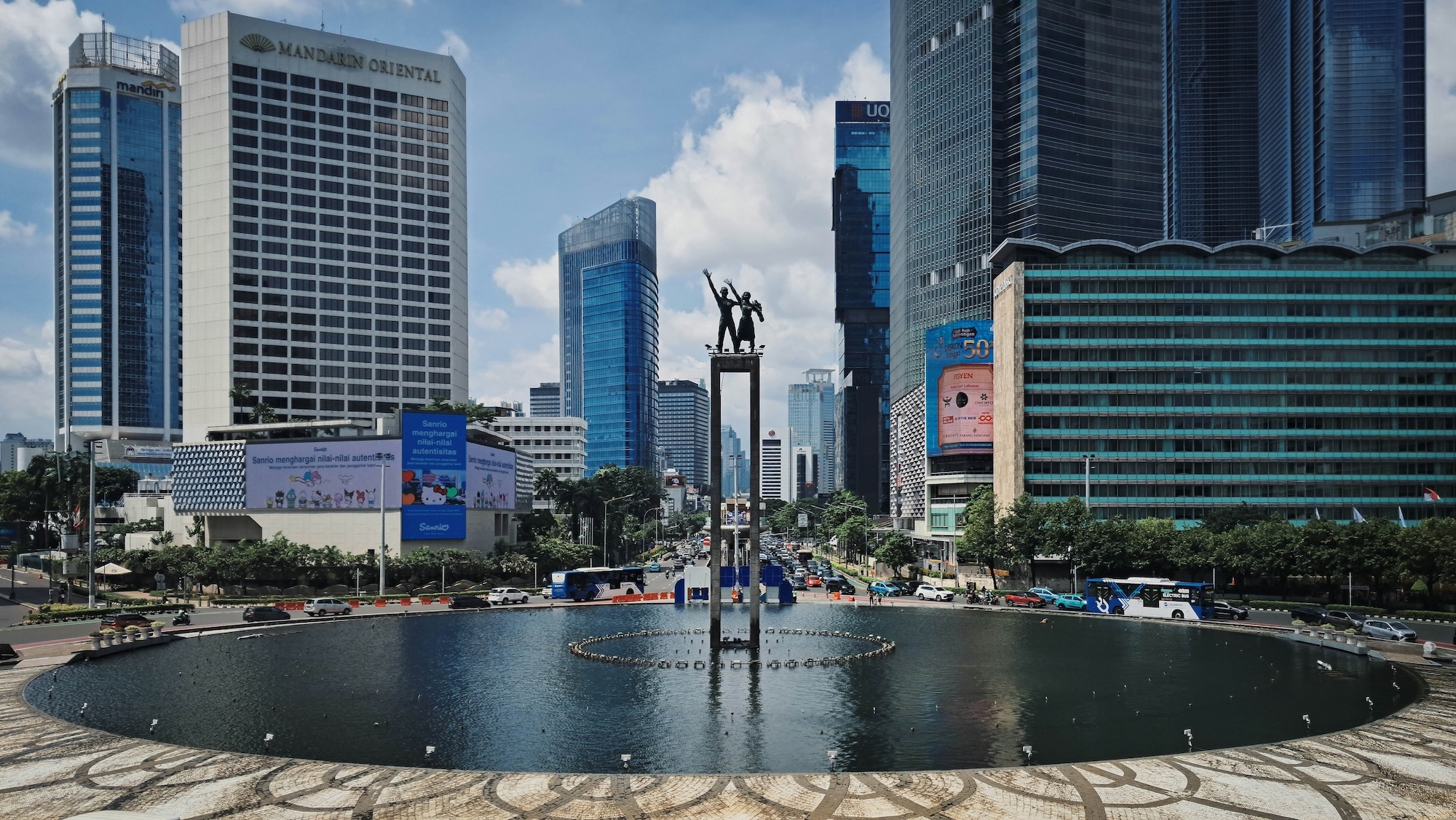
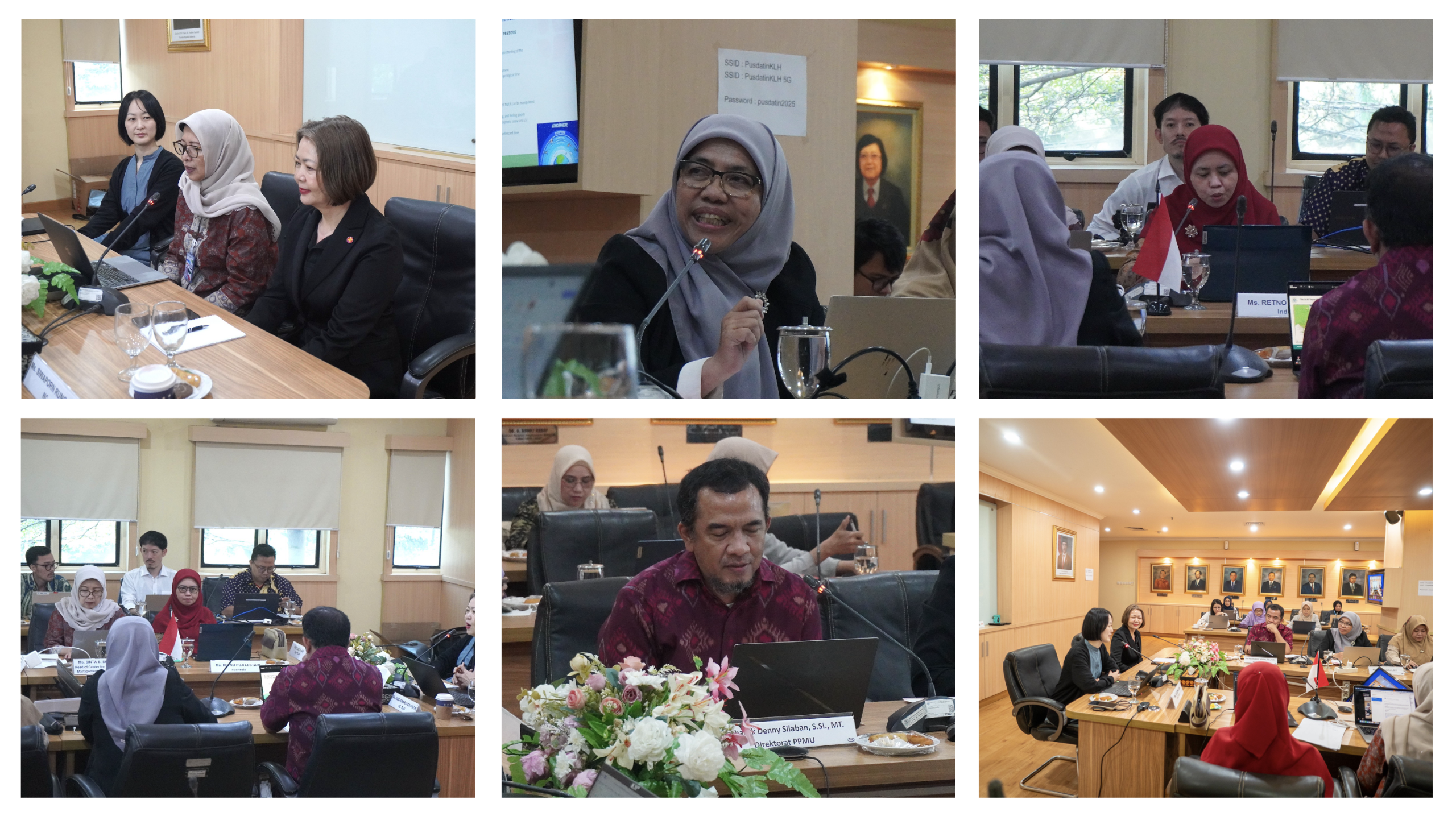
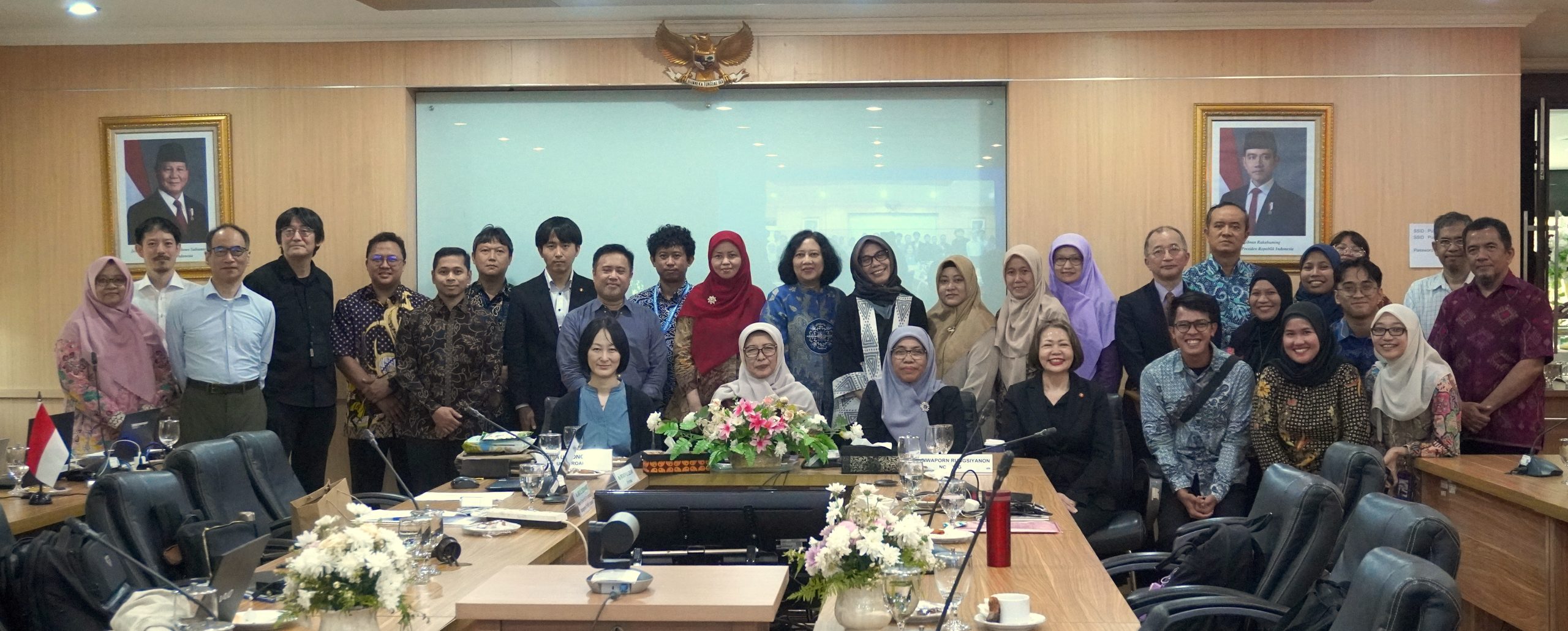
Held on 4th September 2026 at the Ministry of Environment, Indonesia, in Jakarta, the workshop brought together 81 participants, with 36 attending in person and around 45 joining online. The event was organized by the EANET Secretariat in partnership with Indonesia’s Ministry of Environment and the Network Center for the EANET.
.
Introducing EANET’s Medium-Term Plan and opportunities for collaboration
The EANET Secretariat and Network Center introduced the EANET’s objectives and achievements over the past 25 years.
Ms. Yujeong Kim, Ad interim Coordinator, Secretariat for the EANET, presented EANET’s Medium-Term Plan (MTP) (2026–2030), highlighting the activities being implemented to strengthen monitoring, provide evidence-based information for decision-makers and increase regional cooperation on air pollution and atmospheric deposition. The presentation also highlighted the EANET Project Fund, introduced in 2021 to provide flexibility to pilot new activities within EANET’s scope and guided by the MTP. More than 40 projects were implemented between 2022 and 2026, with approximately USD 1.8 million mobilized, including in-kind contributions.
Ms. Siwaporn Rungsiyanon, Deputy Director General of the Asia Center for Air Pollution Research (ACAP), reflected on 25 years of regional cooperation on acid deposition and air quality monitoring. She highlighted ACAP’s role in quality assurance, technical standardization, and collaboration with partners including UNEP, World Meteorological Organization (WMO), and the ASEAN Secretariat to address transboundary air pollution challenges.
.
.
Linking monitoring, research and policy
Presentations from Indonesian experts highlighted current approaches to understanding and managing air pollution. Mr. Marhasak Denny Tarluga Silaban, Directorate of Air Pollution Control, Ministry of Environment, presented Indonesia’s air quality management framework, including the shift towards science-based Clean Air Action Plans supported by emissions inventories, carrying-capacity assessments and chemical transport modelling.
Ms. Retno Puji Lestari, Pusarpedal/Ministry of Environment, presented Indonesia’s acid deposition monitoring activities. Pusarpedal, the EANET National Center, coordinates monitoring across nine national stations in cooperation with BMKG and BRIN. Her presentation highlighted long-term monitoring data, including persistent rainwater acidity and the low buffering capacity of some freshwater bodies.
Prof. Dr. Muhayatun Santoso, National Research and Innovation Agency (BRIN), focused on understanding the sources of air pollution and the influence of weather and climate on Indonesia’s air quality. She highlighted source apportionment as a basis for identifying the sources of pollution and their respective contributions, using examples from cities including Bandung, Jakarta and Surabaya. Her presentation also examined how geographical and meteorological factors—including topography, wind, planetary boundary layer height, temperature, humidity and seasonal variations—affect the distribution and accumulation of air pollutants. Examples of transboundary and episodic pollution, including forest fires, dust events and volcanic eruptions, further illustrated the importance of understanding local and regional factors when developing effective air quality management strategies.
.
Priorities for integrated air quality management
During the panel discussion, experts highlighted opportunities to strengthen monitoring, modelling and data integration. Recommendations included combining reference monitoring stations with low-cost sensors and satellite observations, improving forecasting and early warning systems, and applying atmospheric modelling to high-population and higher-pollution areas such as Jakarta.
The panel also emphasized the importance of standardized long-term monitoring, greater data sharing and stronger cooperation among government agencies, research institutions, universities and local governments. Public access to atmospheric data was highlighted to raise awareness and build support for clean air policies.
.
.
Looking ahead
The workshop concluded with Closing Remarks by Ms. Sinta Saptarina Soemiarno, Head of Center for Environmental Management Facility, Ministry of Environment. She thanked all participants and emphasized the importance of continuing to integrate EANET’s scientific framework into national policies, expanding cross-agency data sharing and strengthening regional monitoring networks. The importance of multi-stakeholder collaboration and regional knowledge exchange through EANET was also reaffirmed.
.
Useful Resources:
-View the panelists’ presentations:
–Ms. Yujeong Kim – Introduction to EANET and Objectives of the Workshop
–Ms. Siwaporn Rungsiyanon – 25 Years of Acid Deposition and Air Quality Initiatives
– Ms. Retno Puji Lestari – Acid Deposition Monitoring in Indonesia
– Prof. Muhayatun Santoso – Understanding the Sources of Air Pollution & Meteorological Factors
.
.
Photo credits: Selamat Datang Monument in Jakarta (2025), by Atar F; all other photos: all rights reserved to the EANET.